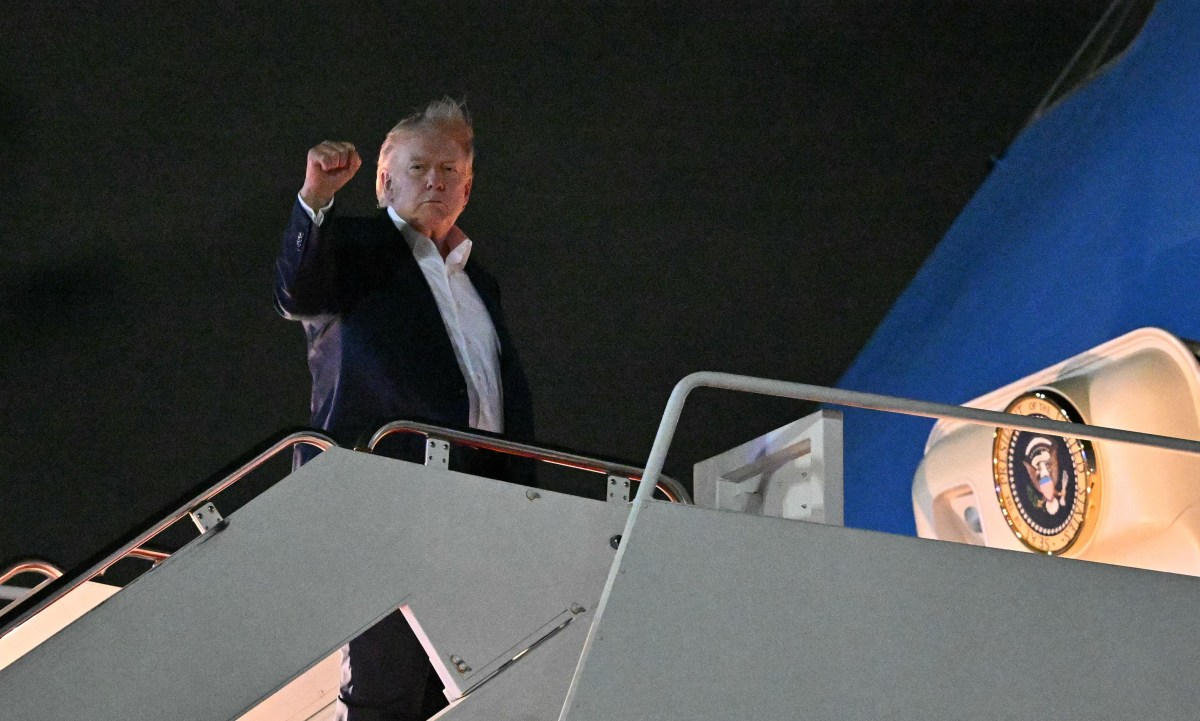
Why the Iran Deal is Criticized And Called 'Surrender'
Summary
President Donald Trump announced a deal to reopen the Strait of Hormuz and ease tensions with Iran through a memorandum of understanding (MOU). The agreement aims to stop conflict and resume shipping but has faced criticism from U.S. and Israeli leaders who say it favors Iran and may not address key issues about nuclear programs and sanctions.Key Facts
- The deal is a 14-point plan aimed at temporarily reducing violence and increasing maritime traffic through the Strait of Hormuz.
- The U.S. would lift its blockade of Iranian ports while detailed talks on Iran’s nuclear program and sanctions continue over 60 days.
- Israeli officials criticize the deal, saying it excludes Israel and endangers the region.
- Democratic Senator Chris Murphy called the deal “essentially surrender” to Iran, concerned it gives Iran access to frozen U.S. funds without strong conditions.
- Experts warn the MOU lacks clear details and may lead to misunderstandings or fail without further agreements.
- Iran’s Supreme Leader may prefer limited deals rather than comprehensive agreements, complicating future negotiations.
- The final control and security of the Strait of Hormuz remain unresolved.
- An official signing of the agreement was expected in Switzerland on Friday.
Read the Full Article
This is a fact-based summary from The Actual News. Click below to read the complete story directly from the original source.