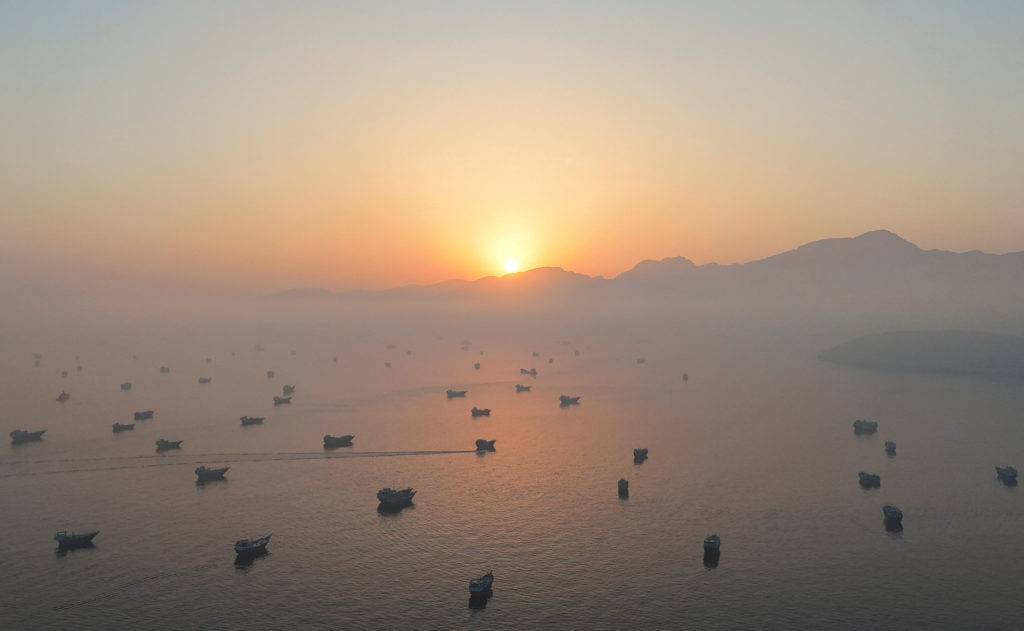
Iran and U.S. reach an initial deal to extend the ceasefire and open the Strait of Hormuz but challenges remain
Summary
The United States and Iran have reached an initial agreement to extend a ceasefire and reopen the Strait of Hormuz, a key waterway for global oil and gas, but the deal faces several challenges. The agreement still needs to be signed in Geneva, and Israel’s ongoing military actions in Lebanon and issues around Iran’s nuclear program could affect its success.Key Facts
- The U.S. and Iran agreed to extend the ceasefire and plan to reopen the Strait of Hormuz.
- The deal is expected to be signed on Friday in Geneva after preparatory talks in Qatar.
- The Strait of Hormuz is an important route for about 20% of the world’s oil and natural gas.
- Israel is not part of the deal and continues military operations in Lebanon against Hezbollah.
- Israel’s defense minister said Israel will hold territory it captured in Lebanon, Syria, and Gaza.
- Iran insists the deal include an end to the fighting in Lebanon, which Israel opposes.
- The agreement requires addressing Iran’s nuclear program and uranium stockpile within 60 days.
- President Donald Trump authorized lifting the U.S. naval blockade of Iranian ports as part of the deal.
Read the Full Article
This is a fact-based summary from The Actual News. Click below to read the complete story directly from the original source.