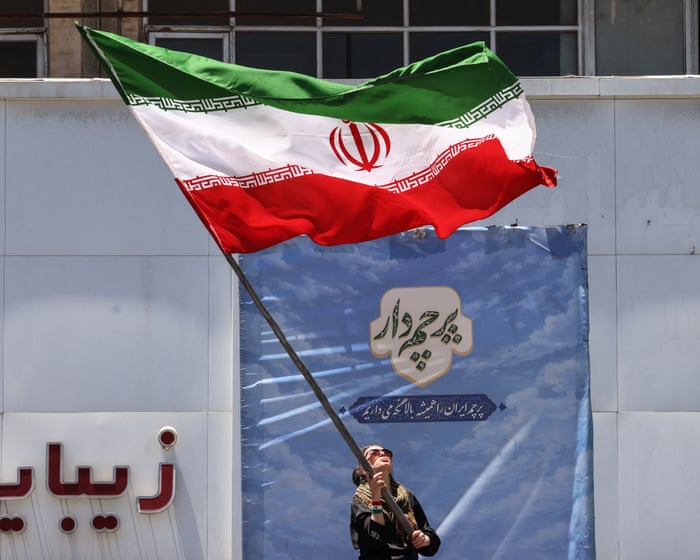
US-Iran ceasefire offers welcome respite but true peace looks distant as ever
Summary
The US and Iran have reached a fragile 60-day ceasefire agreement aimed at pausing hostilities and allowing talks on nuclear issues, sanctions, and frozen assets. Experts say this deal is temporary and unlikely to solve the region’s deep conflicts or prevent future violence.Key Facts
- The ceasefire will last 60 days during which Iran and the US will discuss Iran’s nuclear program, sanctions relief, and the release of frozen Iranian funds.
- The deal requires the US to lift its naval blockade on Iran and Iran to allow free passage of ships through the Strait of Hormuz, a key route for global oil supplies.
- The ceasefire includes Lebanon, where fighting has been frequent, but Israel is unhappy because the deal does not address Iran’s missile capabilities or support for militant groups.
- Experts note past peace deals have been slow and difficult, citing the long negotiations before the 2015 nuclear deal that President Donald Trump later ended.
- Analysts say ceasefires in the region, like in Gaza, often fail to address root causes or long-term peace, and violence may resume.
- The Strait of Hormuz is strategically important and disruptions there affect the global economy.
- The deal is seen as a temporary pause rather than a lasting peace solution due to the complex regional tensions.
Read the Full Article
This is a fact-based summary from The Actual News. Click below to read the complete story directly from the original source.