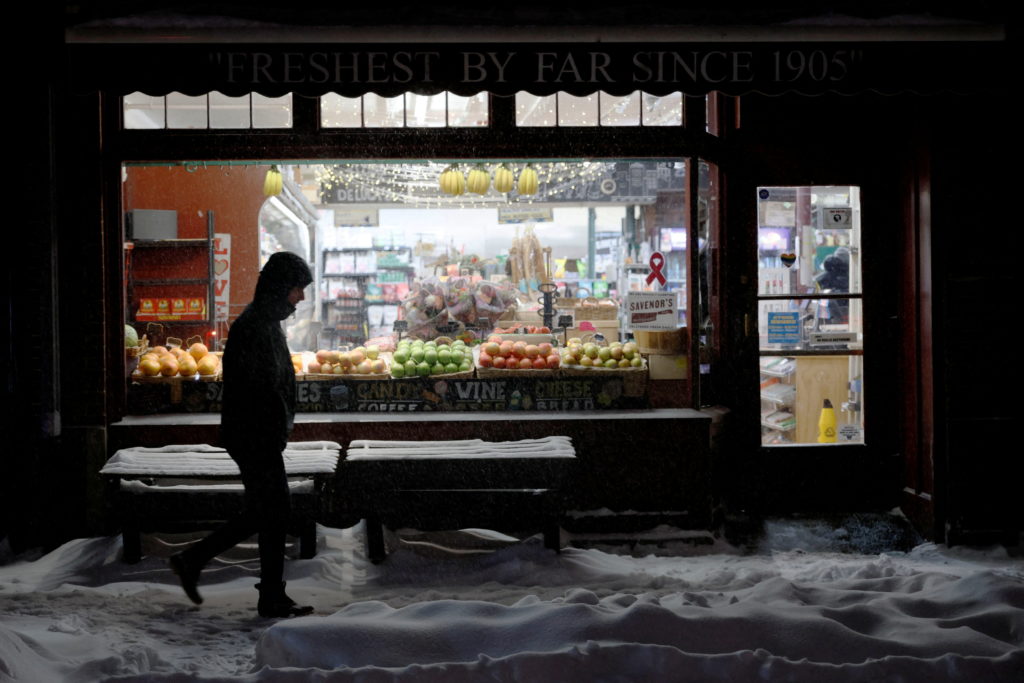
Higher prices for gas, groceries and flights will outlast Iran war, analysts say
Summary
A tentative deal to end the war involving Iran may not immediately lower prices for gas, groceries, and airline tickets. Experts say it will take time for oil and goods to move through supply chains before consumers see price decreases.Key Facts
- Oil prices dropped to about $80 a barrel after the deal but were $67 before the war and had peaked above $120.
- Oil refineries buy crude oil weeks in advance, so cheaper prices take time to affect gas stations.
- Areas with less refining ability, like the U.S. West Coast, will experience slower price drops.
- The war disrupted supplies not only of fuel but also fertilizer, food, and other goods, affecting global supply chains.
- Airlines buy fuel ahead and set prices based on demand, so flight costs may stay high for months.
- Fuel surcharges on flights might be one of the first costs to decrease.
- Fuel makes up about 15% to 30% of food costs; grocery prices will likely remain high for some time.
- Returning to normal supply and price levels will be a slow process involving many countries and industries.
Read the Full Article
This is a fact-based summary from The Actual News. Click below to read the complete story directly from the original source.