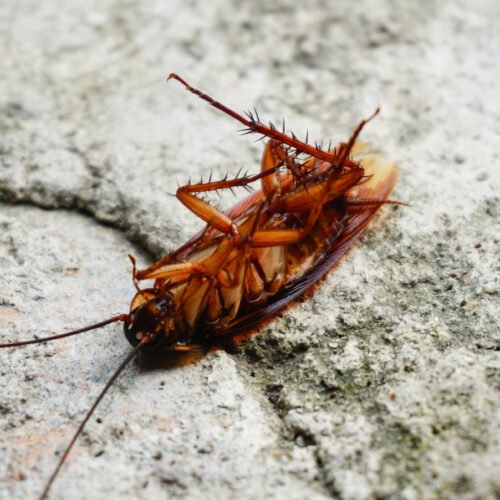
Cockroaches scurry around with thousands of pieces of bacterial genomes
Summary
A new study shows that cockroaches have incorporated thousands of pieces of bacterial DNA into their genomes over millions of years. This finding reveals that horizontal gene transfer—where genes move from one species to another—is common even in complex animals, not just microbes.Key Facts
- Horizontal gene transfer is when a gene from one species is added to the genome of a different species.
- This process is common in microbes because their cells lack a membrane separating DNA, making it easier for foreign DNA to enter.
- Multicellular animals have separate germ cells, so foreign DNA must enter these cells to be inherited.
- Earlier genome studies missed many bacterial gene transfers due to contamination filters in sequencing software.
- New DNA sequencing techniques can detect bacterial DNA within animal genomes clearly, showing genuine gene transfer.
- Cockroaches and termites have many genes from bacteria in their genomes.
- Termites rely on special bacteria to recycle nitrogen, and cockroaches share related bacterial DNA.
- Horizontal gene transfer may have played a significant role in animal evolution, including in humans.
Read the Full Article
This is a fact-based summary from The Actual News. Click below to read the complete story directly from the original source.