The Silent Casualty of War: Conflict's Hidden Environmental Toll
Summary
War causes serious damage not only to people and buildings but also to the environment. Explosions, machinery, and deliberate destruction harm soil, water, forests, and farms, with effects lasting long after fighting stops. International laws exist to protect the environment during conflicts, but they are often broken.Key Facts
- War damages the environment through explosions, heavy machinery, and chemical contamination from explosives.
- Landmines and unexploded bombs pollute soil with harmful substances like heavy metals and TNT.
- Forests, grazing lands, and farms are often destroyed either intentionally or as a side effect of fighting.
- International laws such as the Environmental Modification Convention and Geneva Conventions aim to protect essential civilian infrastructure like wells and dams.
- These protections are sometimes ignored; for example, the destruction of the Kakhovka dam in Ukraine flooded farmland and caused environmental damage.
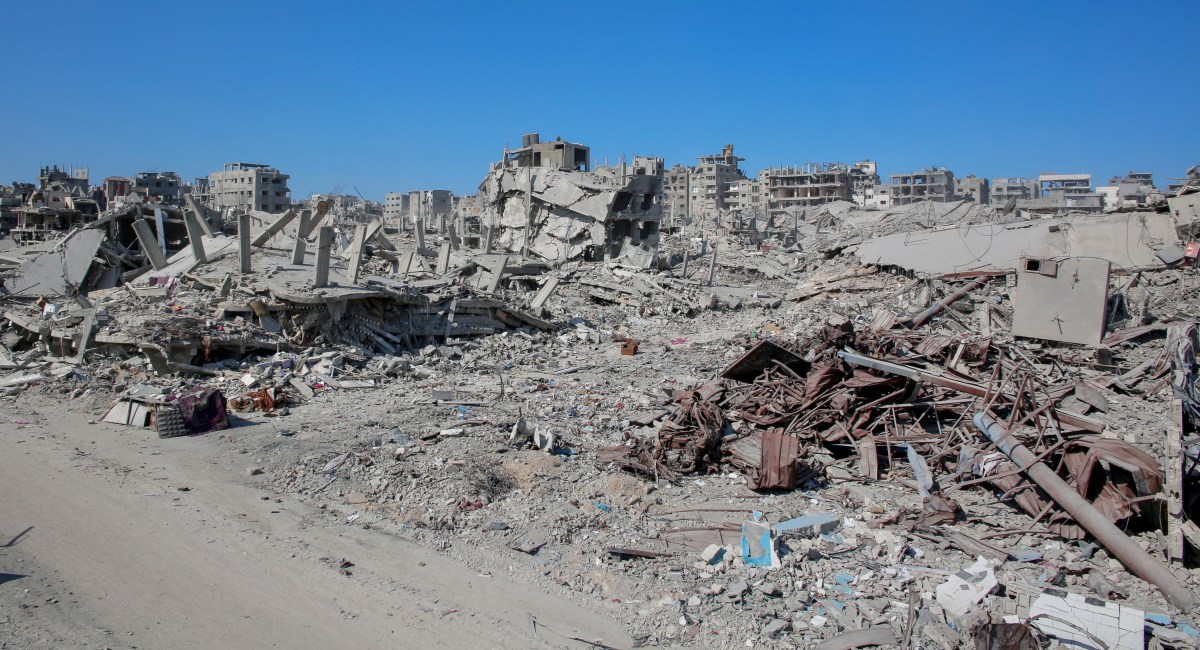
- A 2025 UN report found severe environmental harm in Gaza, including mass debris, loss of crops, and collapsed water and sanitation systems.
- Similar environmental damage has been recorded in Ukraine, with pollution from oil fires, shelling, and damaged infrastructure.
- Groups use satellite images and field reports to monitor ongoing environmental damage in conflict zones.
Read the Full Article
This is a fact-based summary from The Actual News. Click below to read the complete story directly from the original source.