Second carcass-eating fly species cleared by FDA for maggot wound therapy
Summary
The FDA has approved a second kind of fly larvae for use in maggot therapy, which helps clean wounds by eating dead tissue. Singapore-based Cuprina Holdings now has permission to sell two types of these fly larvae for medical use in the U.S., potentially expanding the maggot therapy market.Key Facts
- The FDA cleared Lucilia cuprina (Australian sheep blowfly) larvae for maggot wound therapy.
- Cuprina Holdings already has FDA clearance for Lucilia sericata (green bottle fly) larvae, the first species approved in 2004.
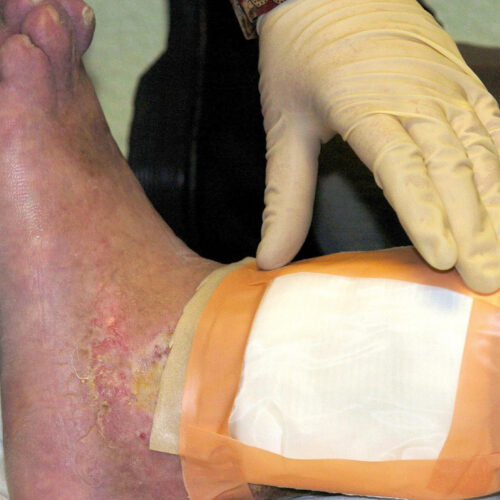
- Maggot therapy, also called maggot debridement therapy (MDT), uses sterilized fly larvae to clean wounds by consuming dead tissue.
- Cuprina is the only company authorized to sell two different fly larvae species for MDT in the U.S.
- L. sericata is commonly used in Western countries, while L. cuprina is more recognized in Australia, Africa, Asia, and parts of the Americas.
- Maggot therapy is safe and can be effective, but there is limited strong scientific evidence from large studies.
- The therapy is usually a last resort when surgery or other treatments can’t be used.
- The newly cleared larvae only eat dead tissue and are not parasitic like some other fly larvae that damage living animals.
Read the Full Article
This is a fact-based summary from The Actual News. Click below to read the complete story directly from the original source.