The Many Concessions For Iran In Trump's Deal
Summary
President Donald Trump signed an agreement with Iran aiming to end a conflict and reopen the Strait of Hormuz, a key waterway for global oil transport. The deal will lift U.S. sanctions on Iran, release frozen Iranian funds, and end a naval blockade, but it has raised concerns about the concessions made to Iran and unclear future control of the waterway.Key Facts
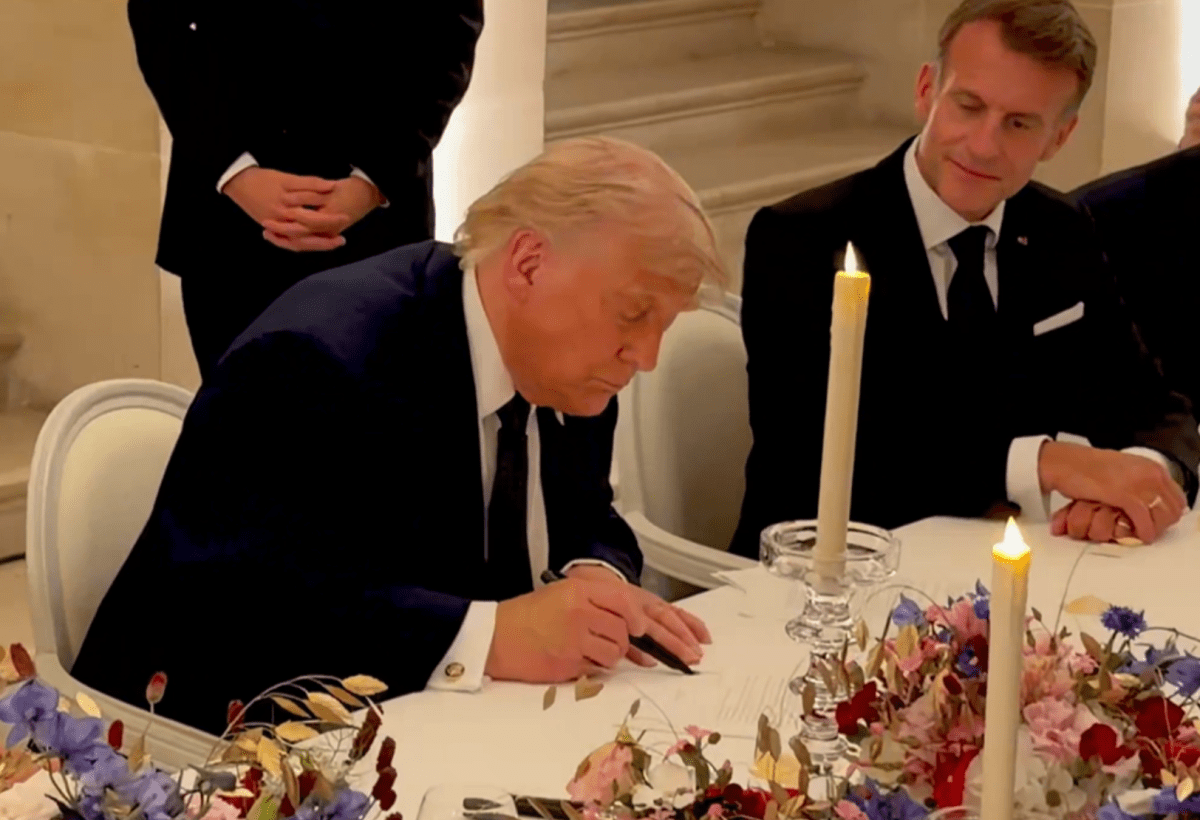
- The agreement was signed at the Palace of Versailles in France.
- The deal aims to stop the conflict that began February 28, involving U.S. and Israeli strikes on Iran.
- It promises to reopen the Strait of Hormuz, which Iran had blockaded, disrupting global energy markets.
- The agreement lifts U.S. sanctions on Iran, frees billions in frozen Iranian funds, and ends the U.S. naval blockade on Iranian ports.
- The deal waives charges for passage through the Strait of Hormuz for 60 days, but future tolls and control remain uncertain.
- Iran may gain up to $10 billion in oil sales during the 60-day waiver period, with total revenues potentially over $30 billion.
- The U.S. will work with partners to create a plan for Iran’s economic reconstruction, possibly involving $300 billion, but without guaranteed U.S. funding.
- Critics express concern that the deal may give Iran too many benefits and not enough guarantees about its future actions or nuclear ambitions.
Read the Full Article
This is a fact-based summary from The Actual News. Click below to read the complete story directly from the original source.