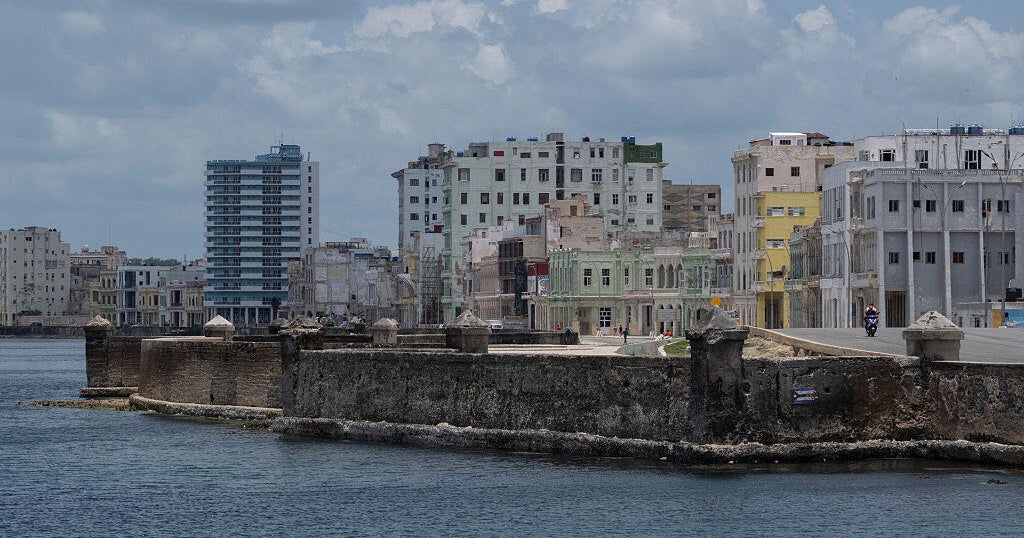
Cuba approves free-market reforms in effort to stave off economic collapse
Summary
Cuba's lawmakers approved nearly 200 free-market reforms to reduce the government's control over the economy and attract investment amid a severe crisis worsened by a U.S. oil blockade. The changes allow private and foreign investment in state industries and mark the biggest economic shift since the 1959 revolution.Key Facts
- Cuban Prime Minister Manuel Marrero introduced 176 economic reforms to reduce state control and encourage investments in areas like banking, tourism, and agriculture.
- Foreign investors no longer must create joint ventures with the Cuban government, and big private businesses will be allowed.
- The reforms were passed unanimously by Cuban lawmakers during a session where President Miguel Diaz-Canel reaffirmed commitment to socialism.
- The U.S. oil blockade, imposed in January under President Trump, has pushed Cuba’s economy toward collapse with shortages and long power outages.
- Diaz-Canel acknowledged internal problems like bureaucracy and delayed decisions that hurt production, in addition to external pressures.
- The United Nations warned that shortages of medical supplies have led to child deaths in Cuba.
- U.S. officials, including Vice President JD Vance, said Washington wants Cuba to become prosperous and are discussing political and economic changes with Cuban leaders.
- Recent U.S. actions include indicting former Cuban President Raúl Castro and diplomatic talks aimed at expanding political dialogue.
Read the Full Article
This is a fact-based summary from The Actual News. Click below to read the complete story directly from the original source.