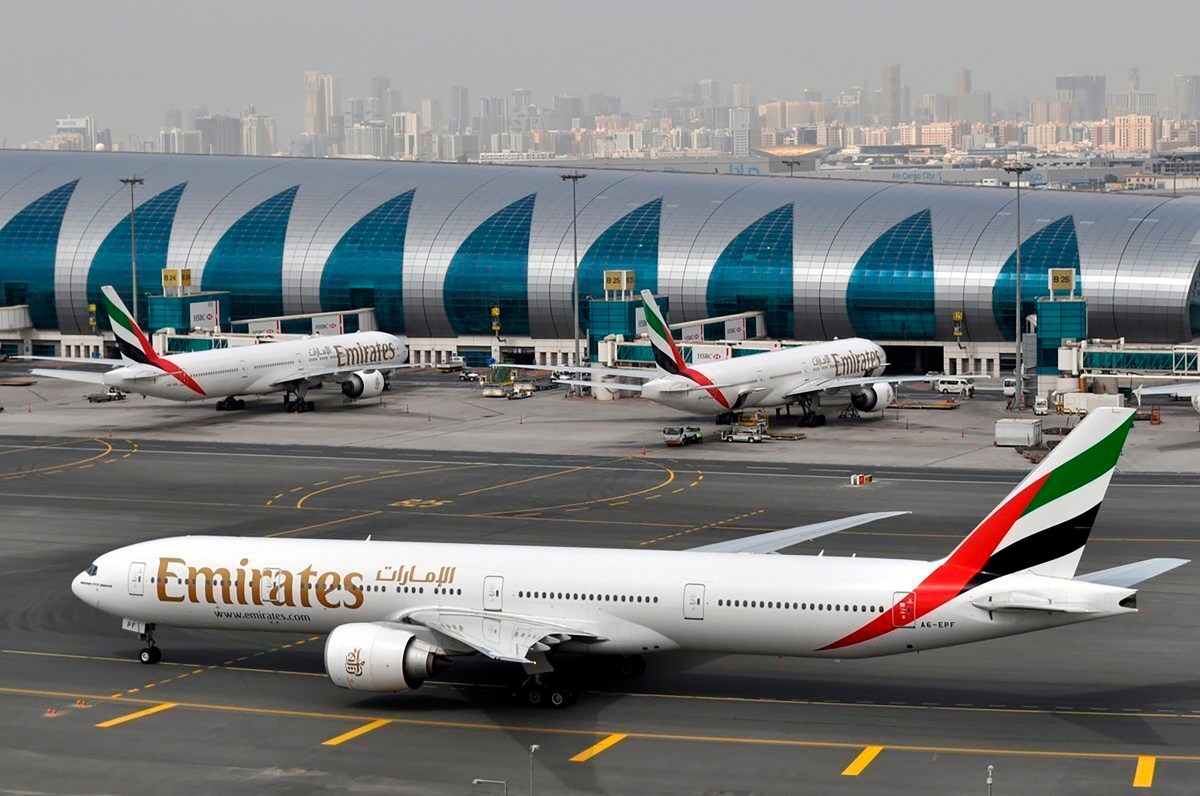
Middle East Flights Reopen as New Confusion Hits Travelers
Summary
Commercial flights in the Middle East are slowly restarting after months of disruption from conflict involving Iran. A recent U.S.-brokered ceasefire has reopened key airspace, allowing airlines to resume many routes, but recovery is uneven and restrictions remain in some areas.Key Facts
- Flights were halted due to military actions in Iran and retaliatory strikes affecting the region’s airspace.
- The ceasefire agreement reopened major Gulf airspace corridors crucial for global air travel.
- Some airlines like Turkish Airlines and Gulf carriers (Emirates, Etihad, Qatar Airways) have resumed many regional routes.
- Western and European airlines are restoring flights more slowly or operating fewer services.
- Key hubs in Dubai, Abu Dhabi, and Doha are largely operational again.
- Iran and parts of Iraq and Jordan still have partial flight restrictions or unstable conditions.
- The disruption was one of the largest for global aviation since the COVID-19 pandemic.
- Airlines had to cancel tens of thousands of flights and reroute others, increasing costs and delays.
Read the Full Article
This is a fact-based summary from The Actual News. Click below to read the complete story directly from the original source.