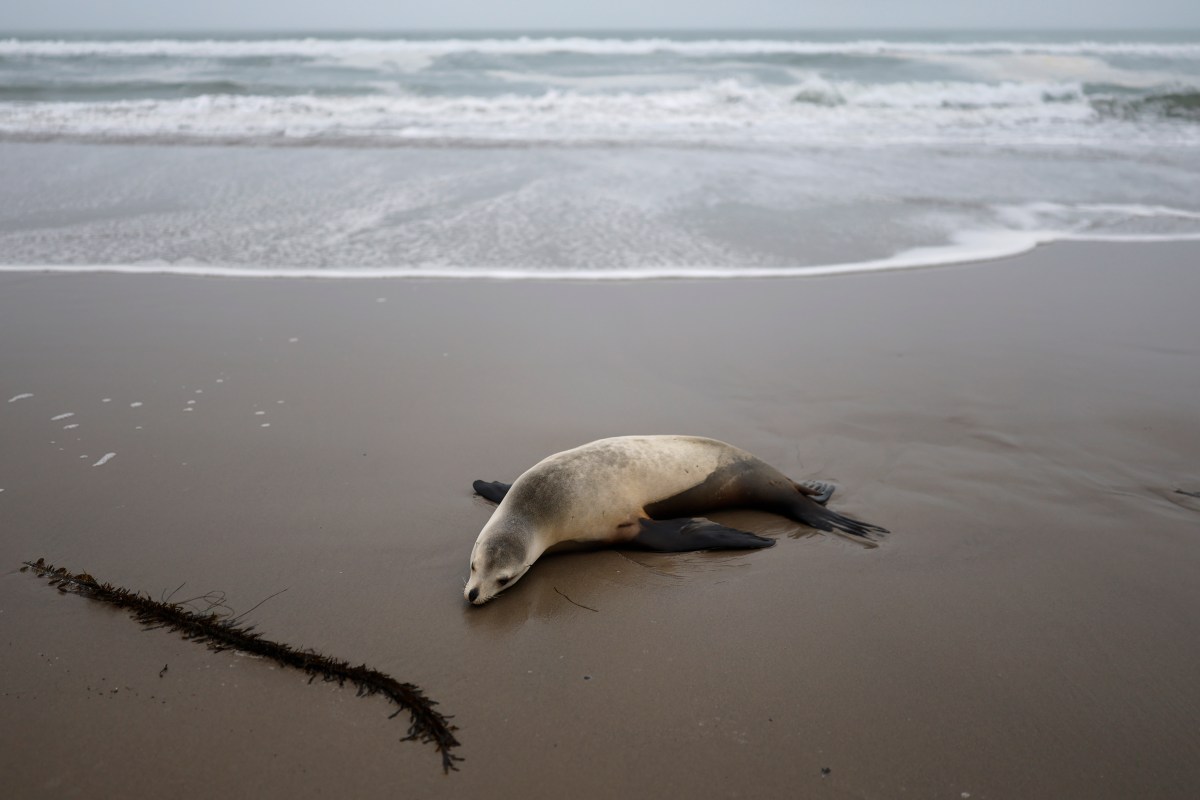
Animals Facing Greatest Risk of Death From El Niño Marine Heat Waves
Summary
Marine animals like seabirds, sea lions, and whales are at higher risk due to rising ocean temperatures linked to El Niño and marine heatwaves. These warm conditions reduce food supply, increase disease, and cause harmful algal blooms that can poison marine life, threatening their survival.Key Facts
- El Niño is a natural climate cycle that warms parts of the Pacific Ocean every 2 to 7 years and changes weather patterns.
- Warm ocean waters during El Niño reduce the rise of nutrient-rich cold water, lowering the amount of microscopic plants (phytoplankton) that support marine food chains.
- Fish and marine species may move to new areas as the water gets warmer, disrupting normal ecosystems.
- Scientists warn that longer exposure to marine heatwaves worsens harm to marine animals’ survival and reproduction.
- Harmful algal blooms produce toxins like domoic acid, which accumulate in the food chain and cause poisoning in top predators like sea lions and whales.
- Recent tests found this toxin in dead juvenile humpback whales in Monterey Bay, indicating ongoing risks.
- Past heatwave events caused mass starvation and strandings of various marine animals along the US West Coast.
- Researchers are watching for increased conflicts between humans and wildlife as animal movements change with ocean conditions.
Read the Full Article
This is a fact-based summary from The Actual News. Click below to read the complete story directly from the original source.