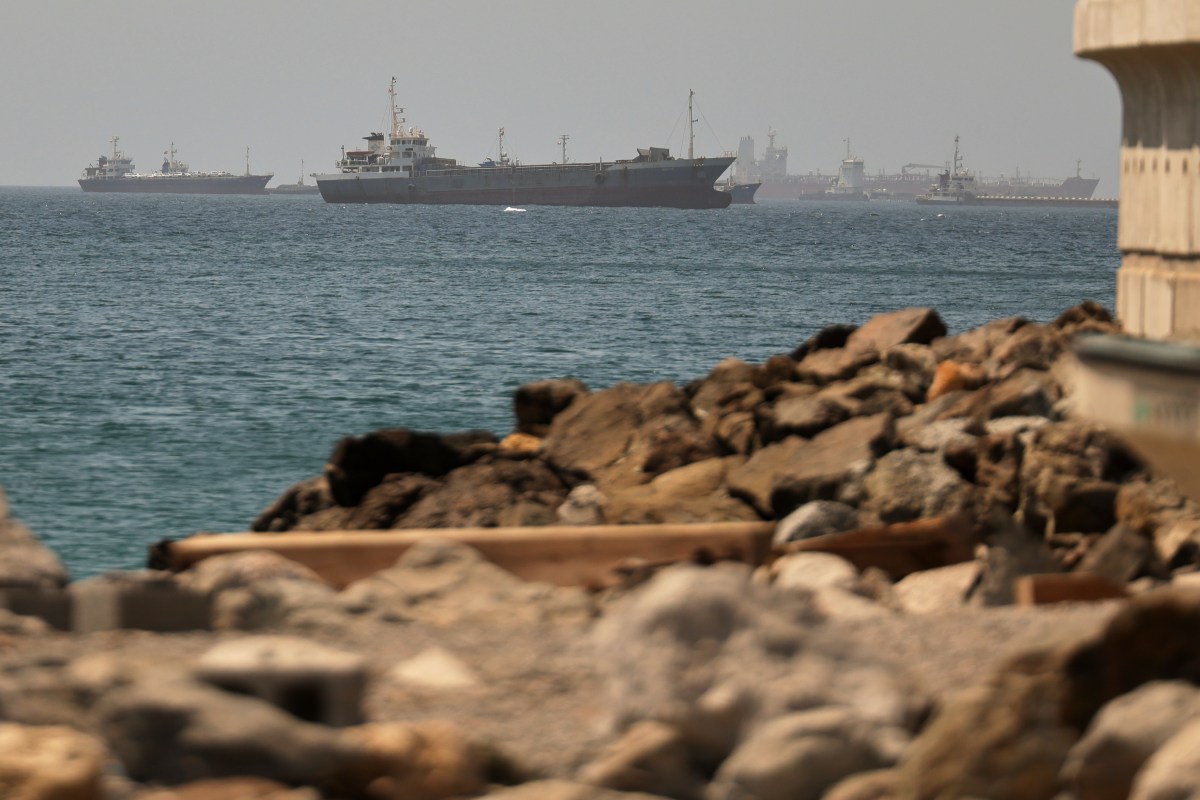
Hormuz Uncertainty Grows as Questions Mount Over Control After 60-Day Deal
Summary
A temporary 60-day ceasefire between the United States and Iran has reopened the Strait of Hormuz, a key passage for global oil shipments. However, disagreements over who controls security, fees, and long-term management of the strait are causing uncertainty and raising concerns about future conflicts.Key Facts
- The ceasefire aims to stabilize energy markets and stop hostilities between the U.S. and Iran for 60 days.
- The U.S. agreed to end its naval blockade of Iranian ports during this period.
- Reports about the strait’s operation show some brief disruptions, but U.S. officials claim it remains open and busy.
- Iran, Oman, and Gulf states are expected to negotiate how the strait will be managed after the ceasefire.
- The agreement does not clarify who will enforce security or if transit fees can be charged later.
- President Donald Trump supports the deal but warned the U.S. might impose a 20% fee on foreign ships after 60 days.
- Trump also threatened strong military action if Iran tries to close the strait again.
- Iran considers the strait within its own control and sent messages asserting its authority.
Read the Full Article
This is a fact-based summary from The Actual News. Click below to read the complete story directly from the original source.