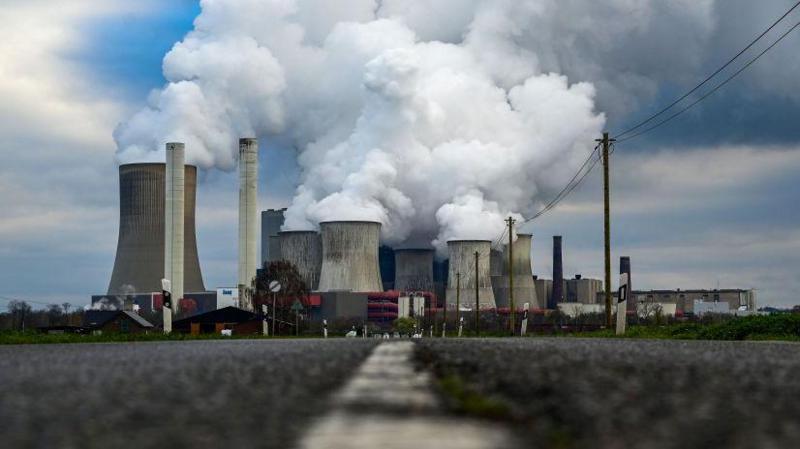
Is Germany looking again at coal-powered electricity?
Summary
Germany currently gets about 20% of its electricity from coal and plans to stop using coal by 2038, with lignite coal phased out by 2030. However, rising gas prices and energy supply concerns have led some German leaders and companies to reconsider the timeline for coal use.Key Facts
- Germany gets 20% of its electricity from coal-powered stations.
- Germany plans to end coal power by 2038 and phase out lignite coal by 2030.
- Over half of Germany’s electricity (59% in 2023) comes from renewable sources like wind and solar.
- Germany wants to replace coal with natural gas power plants, which produce less carbon dioxide.
- Germany imports 95% of its natural gas but has large, cheap reserves of lignite coal.
- Rising global gas prices, partly due to conflicts involving the US, Israel, and Iran, have made coal more attractive again.
- German energy company LEAG supports keeping coal as a backup to ensure energy security.
- Some experts and industry groups want clearer energy plans, balancing reliable supply and the transition to renewables.
- Lignite: A type of soft coal that causes more pollution than harder coals.
- Phase-out: Gradually stopping the use of something, in this case, coal for power.
- Natural gas: A cleaner-burning fossil fuel used for electricity, producing less pollution than coal.
Read the Full Article
This is a fact-based summary from The Actual News. Click below to read the complete story directly from the original source.