Brexit: how it has hit your wallet at the supermarket and on holiday
Summary
Ten years after the UK voted to leave the EU, many everyday costs for UK residents have increased. Food prices are higher, traveling with pets to the EU is more expensive and complicated, and sending or receiving parcels between the UK and EU now involves customs paperwork and possible extra fees.Key Facts
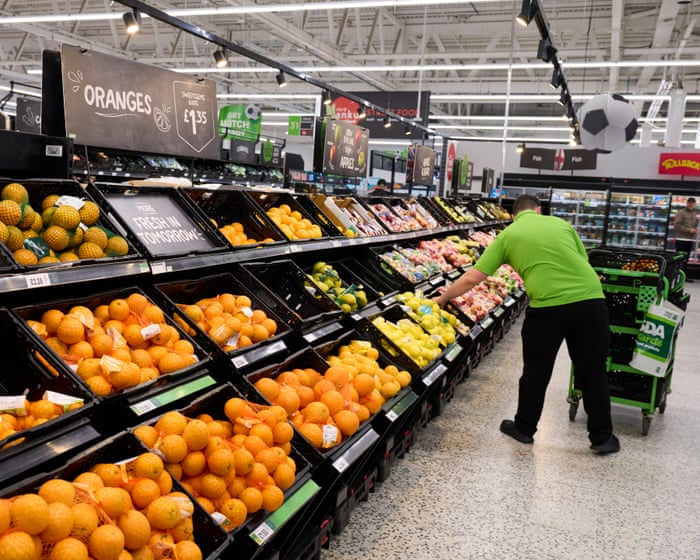
- UK grocery prices rose about 12% due to trade barriers after Brexit, costing the average family around £400 from 2019 to 2023.
- Low-income households have been hit harder because they spend more of their money on food.
- A new UK-EU food export deal planned for 2027 aims to reduce paperwork and lower costs for some fresh food items.
- Pet travel to the EU became more complex and costly since 2021, with new health certificates costing about £230 per trip.
- EU pet passports are no longer valid for British residents; a new certificate must be obtained for each trip to the EU.
- Sending parcels from Great Britain to EU countries now requires customs forms, and gifts or goods over certain values may face taxes and fees.
- Receiving parcels from the EU can also involve paying VAT and customs duties depending on the value of the item.
- These changes do not apply to Northern Ireland, which still follows different rules under the Northern Ireland Protocol.
Read the Full Article
This is a fact-based summary from The Actual News. Click below to read the complete story directly from the original source.