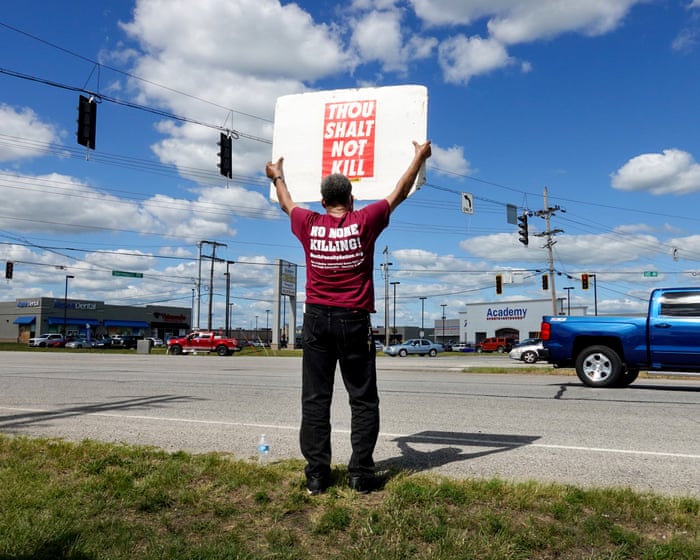
The US re-legalized the death penalty 50 years ago. Is it working as intended?
Summary
Fifty years ago, the US Supreme Court allowed the death penalty to return after having banned it in 1972. Since then, death sentences have often been delayed, overturned, or changed, causing long waits for both prisoners and victims' families. Studies show the system has many problems, including racial bias and inconsistent outcomes.Key Facts
- In 1972, the US Supreme Court banned the death penalty for being unfair and discriminatory.
- In 1976, the Court approved new rules that brought back the death penalty with attempts to fix previous issues.
- Since then, over 9,000 people have received death sentences, but less than 20% have been executed.
- Many death penalty cases take decades to resolve, causing long waits for everyone involved.
- Black people are disproportionately represented on death row.
- Geographic location often affects who receives the death penalty more than the crime itself.
- Skilled defense lawyers have found problems in many trials, leading courts to overturn more than one-third of death sentences.
- Some states’ governors, like Ohio’s, have called for ending the death penalty due to concerns about fairness and its impact on victims’ families.
Read the Full Article
This is a fact-based summary from The Actual News. Click below to read the complete story directly from the original source.