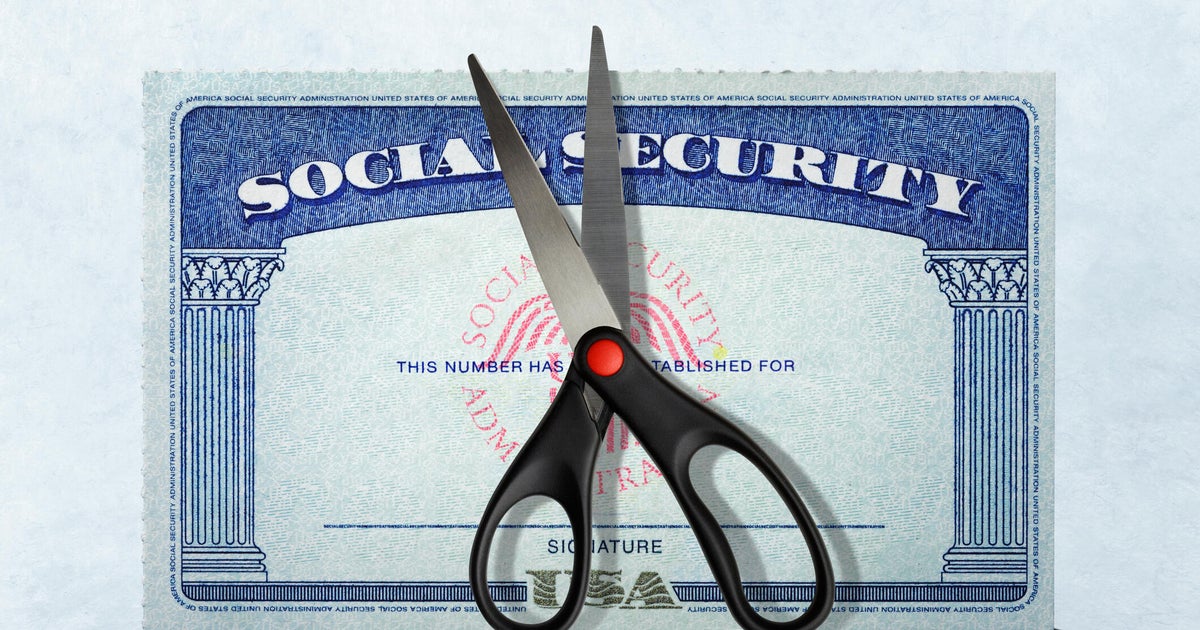
How growing inequality is worsening Social Security's financial crunch
Summary
Social Security is facing financial problems partly because income inequality has grown, and the program only taxes income up to a certain limit ($184,500). Many high earners make more than this, so their extra income is not taxed, causing less money to go into Social Security, which threatens future benefits.Key Facts
- Social Security only taxes wages up to $184,500 per year.
- Income of high earners has grown much faster than that of low- and middle-income workers.
- The share of total earnings subject to Social Security tax has dropped from about 87% in 1984 to roughly 83% today.
- If no changes are made, Social Security’s trust fund may run out by the end of 2032.
- When the trust fund runs out, benefits could be cut by about 22%, or $500 per month on average.
- Past reforms in 1983 raised the retirement age and taxes but did not adjust the tax cap for growing income inequality.
- Proposals to fix the problem include removing or changing the tax cap to require high earners to pay more.
- Removing the tax cap could close roughly 22% to 67% of the funding shortfall.
Read the Full Article
This is a fact-based summary from The Actual News. Click below to read the complete story directly from the original source.