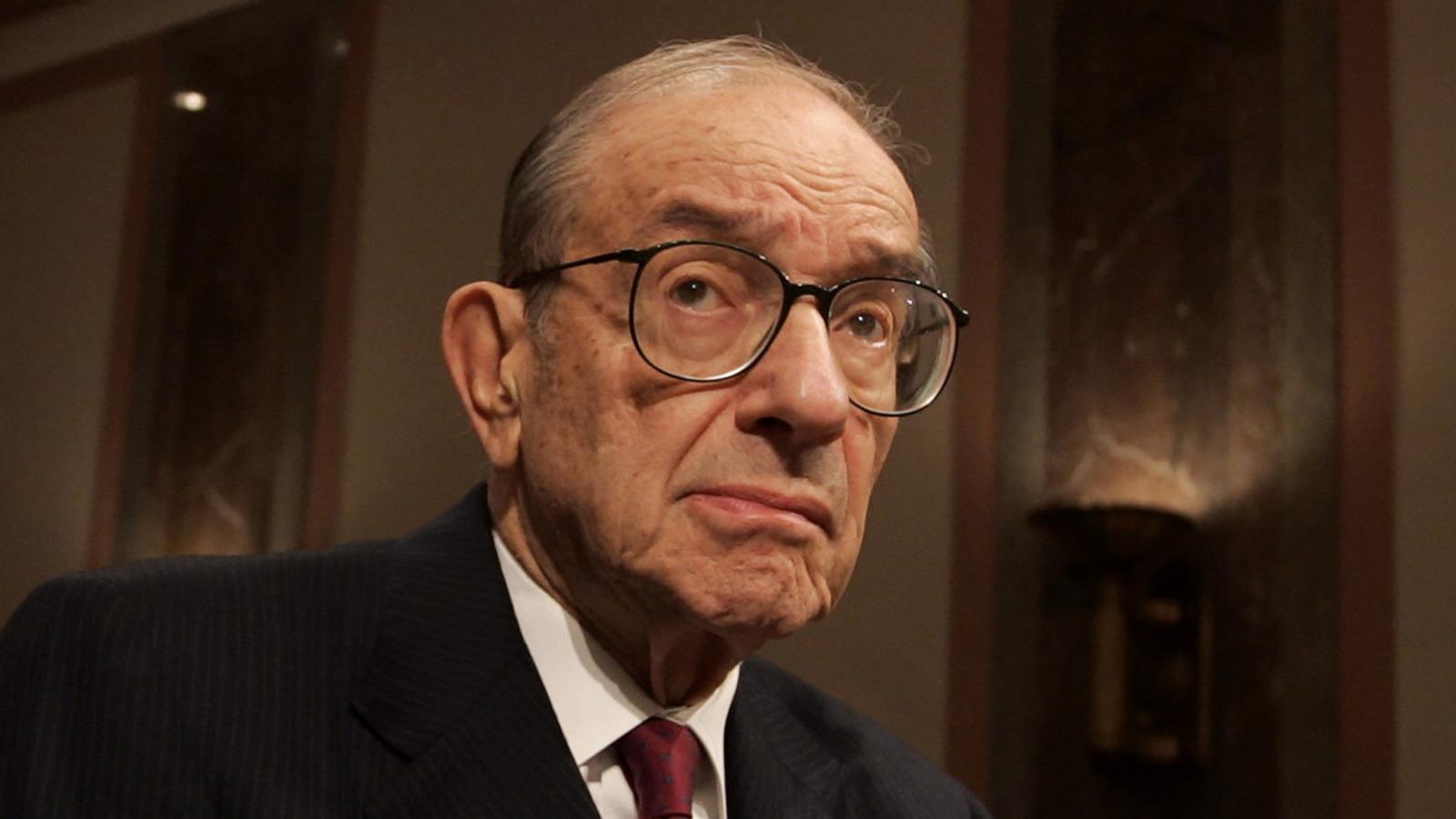
Alan Greenspan, longtime chairman of the Federal Reserve, dies at 100
Summary
Alan Greenspan, who led the U.S. Federal Reserve for nearly two decades and guided the economy through major events like the 1987 stock market crash and the 1990s economic boom, died at age 100 from Parkinson’s disease. He served as Fed chairman under four presidents and was known for policies that supported low interest rates and limited regulation, which some say contributed to the 2008 financial crisis.Key Facts
- Alan Greenspan was the 13th chairman of the Federal Reserve, appointed in 1987.
- He served under Presidents Reagan, George H.W. Bush, Clinton, and George W. Bush.
- Greenspan helped ease the 1987 stock market crash, leading to a quick recovery.
- His leadership included the U.S. economic expansion in the 1990s and the dotcom bubble period.
- Greenspan’s policies favored low interest rates and less regulation in the early 2000s.
- Critics argue these policies helped create the housing bubble that led to the 2008 financial crisis.
- He died from complications of Parkinson’s disease at home at age 100.
- Before economics, Greenspan studied music and briefly attended Juilliard.
Read the Full Article
This is a fact-based summary from The Actual News. Click below to read the complete story directly from the original source.