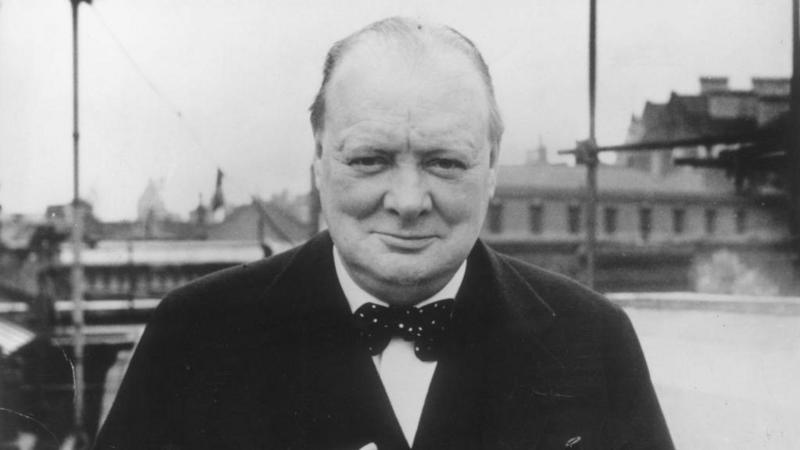
National Portrait Gallery display withdrawn after Churchill row
Summary
A video art installation about Winston Churchill's role in the 1943 Bengal famine was removed from the National Portrait Gallery after criticism from Churchill's family and others who said it was inaccurate. The artist and gallery said the work was a personal expression, not a historical documentary, and the artist decided to withdraw it amid the controversy.Key Facts
- The video was created by artist Helen Cammock and displayed at the National Portrait Gallery in London.
- It suggested Churchill caused "wilful starvation" during the Bengal famine, which killed about three million people.
- Over 50 peers, including Churchill’s grandson Sir Nicholas Soames, signed a letter calling the installation incorrect and biased.
- The gallery said the video was part of an art project, not a factual report, and reflected the artist’s views only.
- The artist emphasized the importance of questioning history and whose stories are told.
- Critics said the famine was caused by a typhoon and Churchill tried to help with aid efforts.
- The installation was shown for 10 months and removed after public complaints and media coverage.
- The gallery respects historical legacy and artistic freedom but accepted the artist’s decision to remove the work.
Read the Full Article
This is a fact-based summary from The Actual News. Click below to read the complete story directly from the original source.