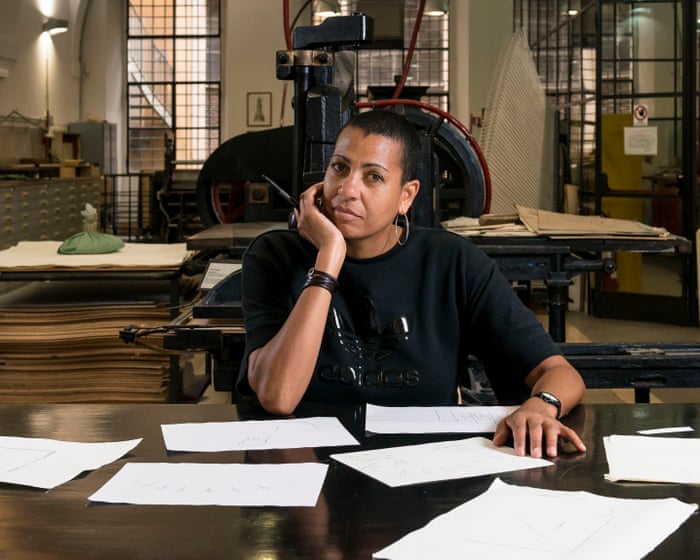
Artwork removed from National Portrait Gallery after row over Churchill’s role in Bengal famine
Summary
An artwork about Winston Churchill’s role in the 1943 Bengal famine, created by artist Helen Cammock, was removed from the National Portrait Gallery after critics, including Churchill’s grandson and historians, objected to its portrayal. The gallery removed the piece at the artist’s request after a week of controversy over its comments on Churchill’s responsibility for the famine.Key Facts
- The artwork, called Persistence, was a 40-minute video installation by Turner Prize-winning artist Helen Cammock.
- The piece linked Churchill’s actions during the Bengal famine to deliberate starvation, which caused criticism.
- Fifty members of the British peerage, including Churchill’s grandson Sir Nicholas Soames, signed a letter calling the installation an ideological rant.
- The National Portrait Gallery initially defended the work but removed it after Cammock requested the removal.
- The Bengal famine of 1943 caused around 3 million deaths in eastern India.
- Historians disagree on Churchill’s responsibility, with some blaming natural disasters and mismanagement, and others accusing Churchill of ignoring food shortages and worsening the crisis.
- The gallery said the artwork was a personal, artistic response and did not represent the gallery’s official views.
- Cammock emphasized that art should challenge ideas and reflect on history.
Read the Full Article
This is a fact-based summary from The Actual News. Click below to read the complete story directly from the original source.