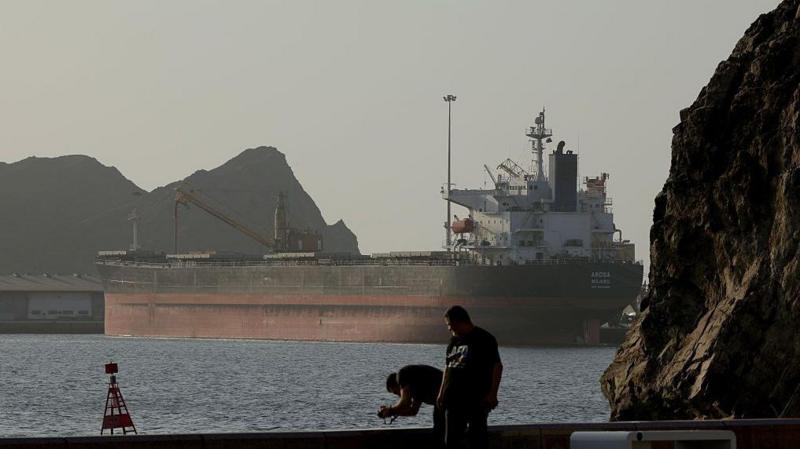
What Iran and US get from deal and why both could struggle to keep it
Summary
A deal has ended the recent fighting between the US and Iran, establishing a ceasefire and setting a 60-day framework to negotiate Iran's nuclear program. Both countries claim success, but many difficult issues remain unresolved, leading to criticism and uncertainty about the deal's future.Key Facts
- The US and Israel bombed Iran for over 100 days before a ceasefire deal was signed.
- The agreement, called a Memorandum of Understanding (MoU), was signed by President Donald Trump and Iranian President Masoud Pezeshkian.
- The MoU stops all military operations and reopens the Strait of Hormuz, important for shipping.
- Iran agreed not to pursue nuclear weapons and to negotiate the future of its uranium enrichment program.
- The US will lift its naval blockade, allow some Iranian oil exports, and ease some sanctions.
- The US plans a $300 billion reconstruction and development program for Iran with regional partners.
- Iranian leaders face pressure to show strength, as some critics say concessions were made despite claiming victory.
- The deal’s success depends on future negotiations over Iran's nuclear activities and whether both sides keep to the ceasefire.
Read the Full Article
This is a fact-based summary from The Actual News. Click below to read the complete story directly from the original source.