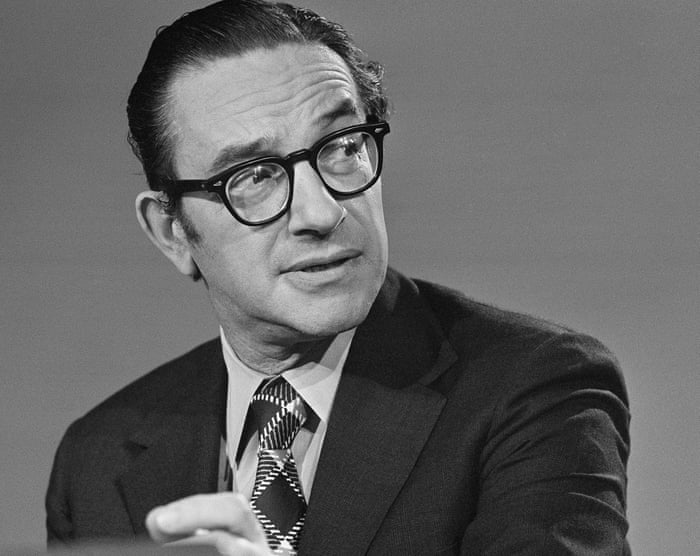
RIP Alan Greenspan: you were charming, powerful, and wrong | Robert Reich
Summary
Alan Greenspan, who led the U.S. Federal Reserve from 1987 to 2006, died at the age of 100. He was widely influential in setting economic policies, including interest rates and financial regulations, which played a key role in shaping the U.S. economy and contributed to the 2008 financial crisis.Key Facts
- Alan Greenspan chaired the U.S. Federal Reserve for over 18 years, from August 1987 to January 2006.
- He had a strong influence over U.S. and global economic policies, especially decisions about interest rates.
- Greenspan’s decision to raise interest rates contributed to the downturn of George H.W. Bush’s presidency in the early 1990s.
- He encouraged President Clinton and Congress to reduce the federal budget deficit, impacting Clinton’s economic agenda.
- Greenspan pushed for the repeal of the Glass-Steagall Act, which had separated commercial and investment banking to protect customers' savings.
- He strongly opposed regulation of complex financial products called derivatives, which later contributed to the 2008 financial crisis.
- After the 2008 crisis, Greenspan admitted he had made a mistake in trusting that banks would regulate themselves properly.
- The 2008 financial crisis led to a major recession where millions of Americans lost jobs, savings, and homes.
Read the Full Article
This is a fact-based summary from The Actual News. Click below to read the complete story directly from the original source.