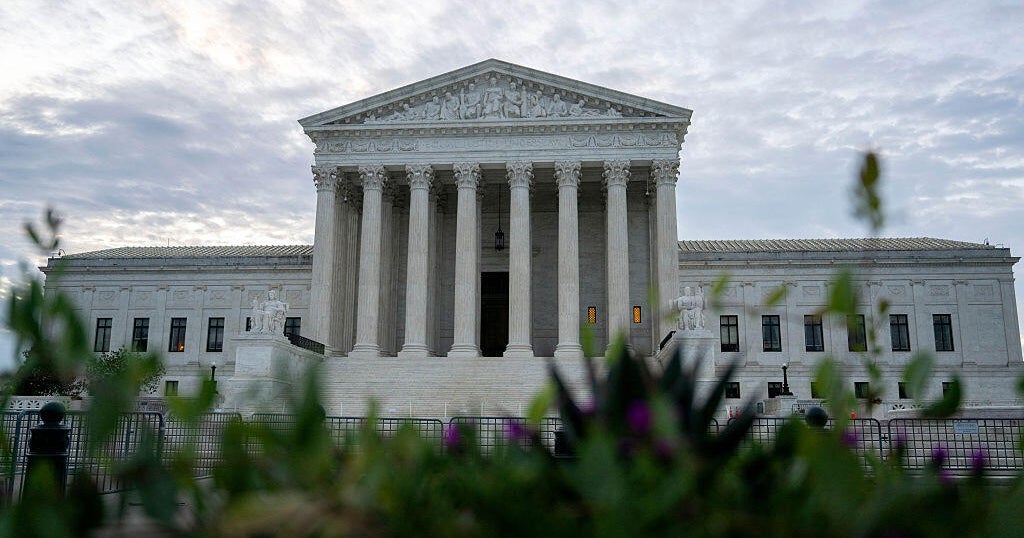
Supreme Court rules ex-inmate can't sue prison officials for shaving dreadlocks
Summary
The U.S. Supreme Court ruled 6 to 3 that a former Louisiana inmate cannot sue prison officials for shaving his dreadlocks, which violated his religious beliefs. The court said the law protecting religious rights in prisons does not allow lawsuits against individual officers unless they have agreed to be sued.Key Facts
- Damon Landor, a devout Rastafarian, sued after prison guards shaved his dreadlocks, violating his religious practice.
- The case involved the Religious Land Use and Institutionalized Persons Act (RLUIPA), a law that protects religious rights for people in institutions like prisons.
- Lower courts found Landor’s treatment wrong but dismissed his lawsuit because RLUIPA does not allow suing individual officials without their consent.
- The Supreme Court’s 6-3 decision followed ideological lines, with Justice Neil Gorsuch writing the majority opinion.
- Landor had nearly finished a five-month sentence when the incident occurred after he was moved to a new prison.
- Landor provided proof of his religious rights to prison staff, including a prior court ruling supporting Rastafarian hair rights, but guards ignored it and shaved his head.
- The ruling supports previous court decisions that limit holding individual officers personally responsible under RLUIPA.
- This case is notable because the Supreme Court has often ruled in favor of religious rights in recent years.
Read the Full Article
This is a fact-based summary from The Actual News. Click below to read the complete story directly from the original source.