Sotomayor Warns Supreme Court Hits New 'Low Point' in Esteem for Precedent
Summary
The U.S. Supreme Court ruled 6-3 that federal courts cannot create new types of lawsuits under the Alien Tort Statute, a law used to sue for human rights abuses abroad. The case involved Chinese Falun Gong practitioners suing Cisco Systems, accusing the company of helping the Chinese government track and persecute them.Key Facts
- The Supreme Court decision limits the use of the Alien Tort Statute (ATS), a law from the 18th century, to bring cases about international human rights abuses.
- The court ruled that only Congress can create new legal claims under the ATS, not judges.
- Justice Amy Coney Barrett wrote the majority opinion supporting this view.
- The ruling stopped most future lawsuits using the ATS to seek justice for foreign human rights violations.
- The court also ruled against lawsuits under the Torture Victim Protection Act (TVPA) unless Congress clearly allows such claims.
- Cisco Systems was sued for allegedly helping the Chinese government identify and persecute Falun Gong practitioners through surveillance technology.
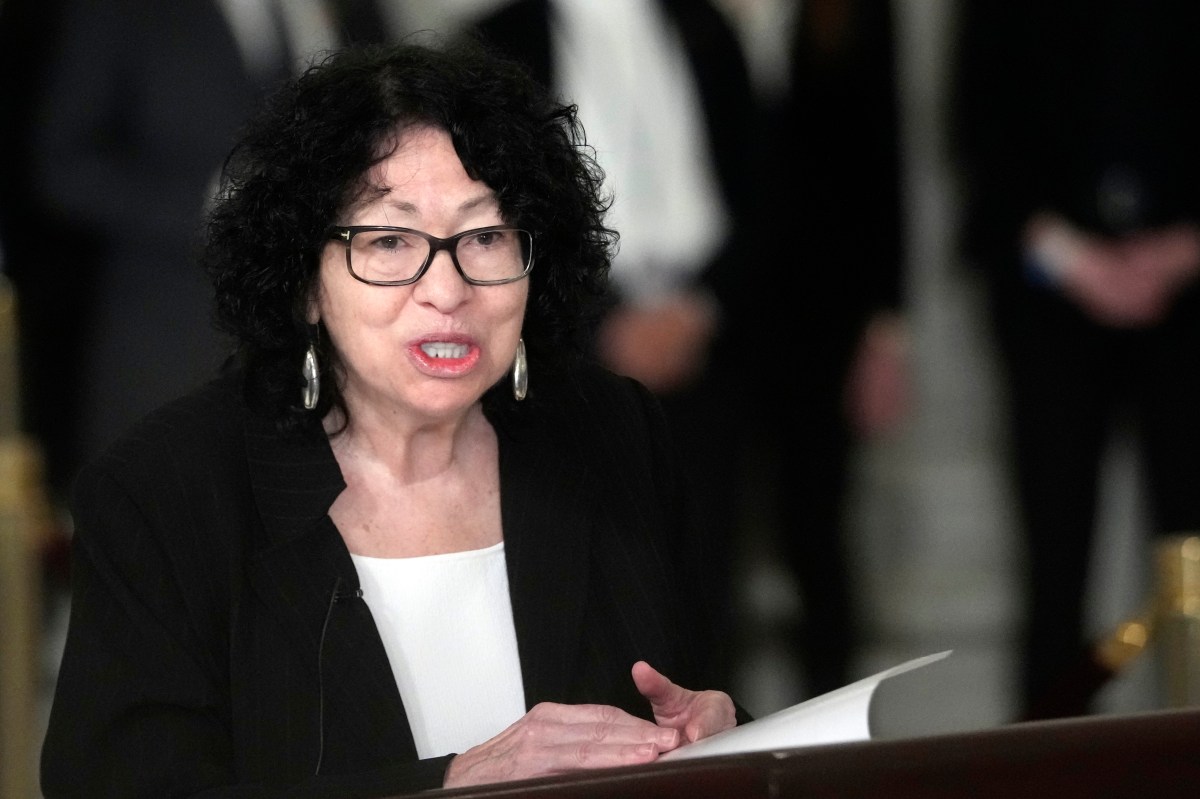
- Justice Sonia Sotomayor dissented, warning the decision harms victims seeking accountability and breaks with past court precedents.
- The case highlights limits on holding companies responsible in U.S. courts for alleged abuses overseas.
Read the Full Article
This is a fact-based summary from The Actual News. Click below to read the complete story directly from the original source.