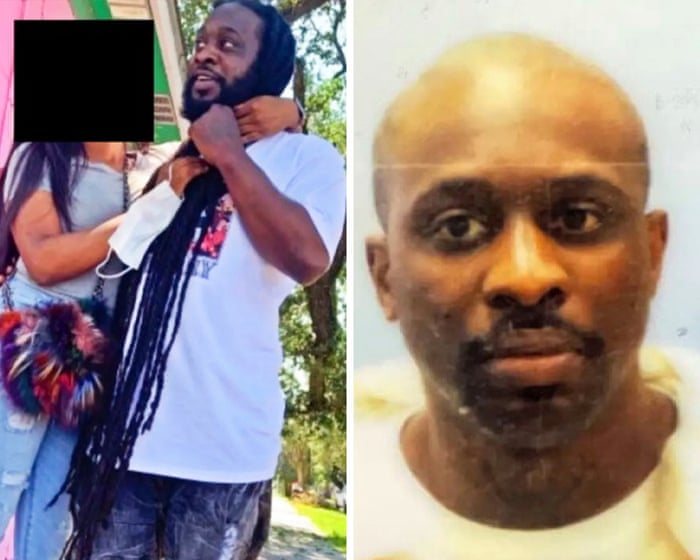
US supreme court blocks Rastafarian man’s lawsuit over forced head-shaving in prison
Summary
The US Supreme Court ruled 6-3 that a Rastafarian man, Damon Landor, cannot sue Louisiana prison officials for monetary damages after they forcibly shaved his hair, which violated his religious beliefs. The court said the law protecting religious rights of prisoners does not allow individuals to be sued for money damages in this case.Key Facts
- Damon Landor is a Rastafarian whose religion requires growing uncut hair.
- Prison guards in Louisiana held Landor down and shaved his hair despite his religious beliefs.
- Landor’s lawsuit was based on the Religious Land Use and Institutionalized Persons Act of 2000, which protects religious rights of people in institutions like prisons.
- Lower courts dismissed his case because the law does not let him sue individual officials for money damages.
- The Supreme Court’s decision was 6-3, with three liberal justices disagreeing.
- The Trump administration supported Landor’s case, asking the court to allow the lawsuit to proceed.
- Landor had reminded officials of a past court ruling that found Louisiana’s hair-cutting policy violated the law, but it was ignored.
- The court has expanded religious rights protections in past cases but limited monetary claims in this one.
Read the Full Article
This is a fact-based summary from The Actual News. Click below to read the complete story directly from the original source.