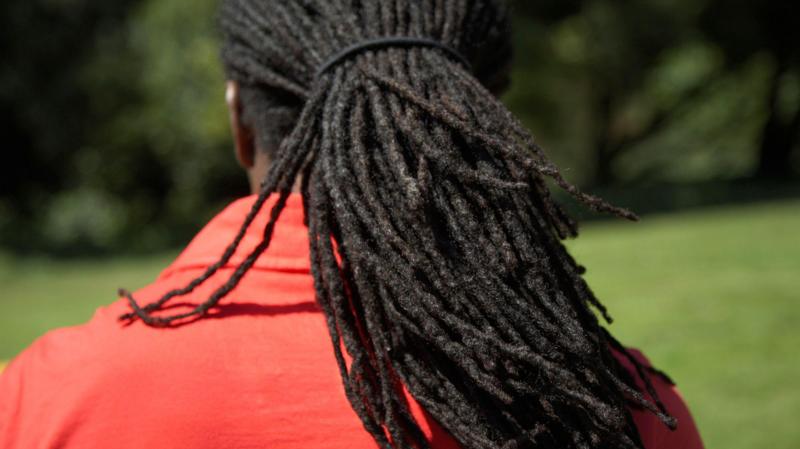
US top court says Rastafarian man cannot sue prison guards who cut his dreadlocks
Summary
The US Supreme Court ruled that Damon Landor, a former Louisiana inmate, cannot sue prison guards who shaved off his dreadlocks against his Rastafarian religious beliefs. The court said a federal law protecting religious freedom in prisons does not allow lawsuits against individual officials.Key Facts
- Damon Landor is a former inmate in Louisiana who had his dreadlocks shaved off by prison guards.
- Landor argued that shaving his dreadlocks violated his Rastafarian faith, which views dreadlocks as a spiritual symbol.
- The Supreme Court ruled 6-3 that Landor cannot sue the individual prison officials for monetary damages.
- The court said the Religious Land Use and Institutionalized Persons Act (RLUIPA) protects religious rights but does not allow suing individual state employees.
- RLUIPA applies to prisons that receive federal funding but requires officials' consent to be sued personally.
- Conservative justices formed the majority; three liberal justices disagreed with the ruling.
- Justice Neil Gorsuch wrote that Congress cannot impose this kind of legal responsibility on individual officials without their consent.
- Justice Ketanji Brown Jackson dissented, saying RLUIPA aims to protect prisoners' religious rights.
Read the Full Article
This is a fact-based summary from The Actual News. Click below to read the complete story directly from the original source.