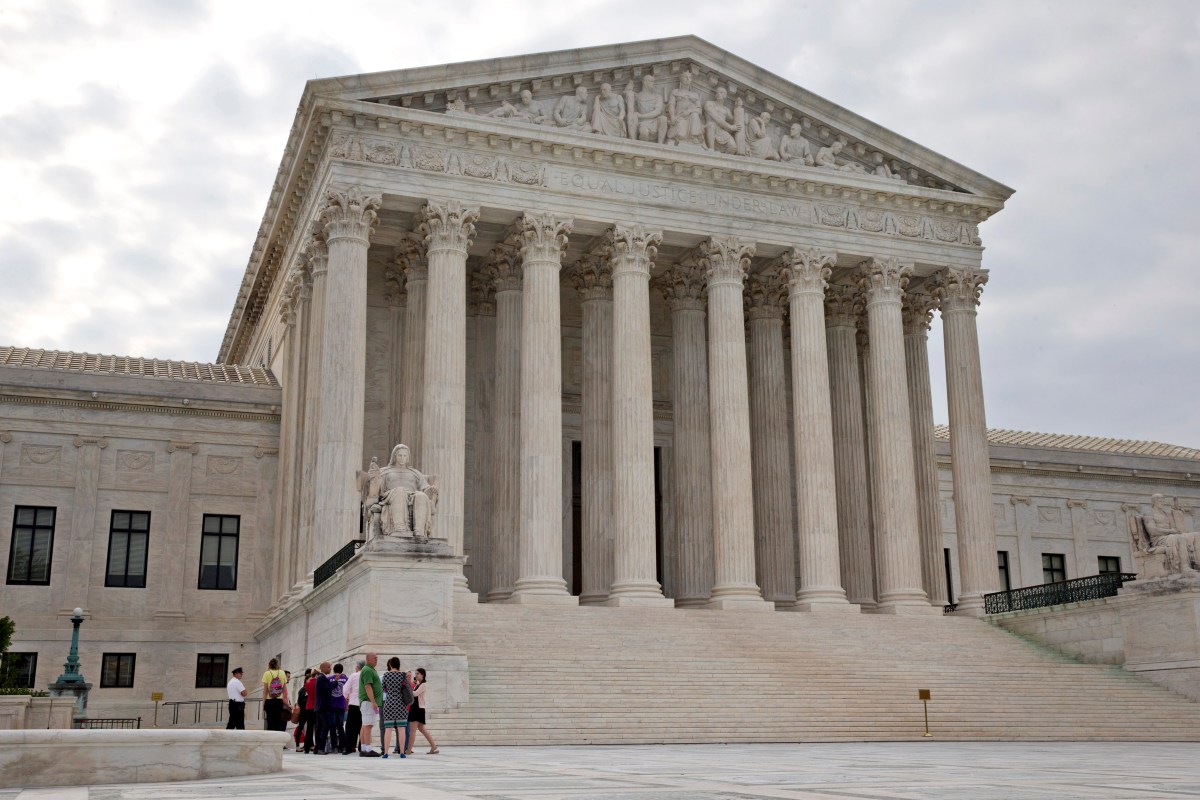
Supreme Court Conservatives Rule Against Inmate's Religious Liberty Claim
Summary
The Supreme Court ruled 6-3 against a Rastafarian inmate who said prison officials forcibly shaved his dreadlocks, violating his religious rights. The Court decided he cannot sue individual prison employees for money damages under a law protecting religious freedom in prisons because only institutions, not individuals, can be held liable.Key Facts
- The case involved Damon Landor, a Rastafarian inmate in Louisiana whose dreadlocks were cut by prison staff against his religious beliefs.
- Landor sought monetary damages from the prison employees under the Religious Land Use and Institutionalized Persons Act (RLUIPA).
- The Supreme Court majority said RLUIPA does not allow suing individual officials for damages, only the state or institutions that accept federal funding conditions.
- The decision was 6-3, with conservative justices forming the majority and Justice Ketanji Brown Jackson dissenting.
- The Court emphasized that individuals must consent to legal obligations tied to federal funding, which prison staff did not do personally.
- The ruling contrasts with previous Court decisions favoring religious liberty claims, such as those related to pandemic restrictions, prayer by coaches, and religious schooling.
- The decision may limit remedies available to prisoners who face religious rights violations by individual staff members.
Read the Full Article
This is a fact-based summary from The Actual News. Click below to read the complete story directly from the original source.