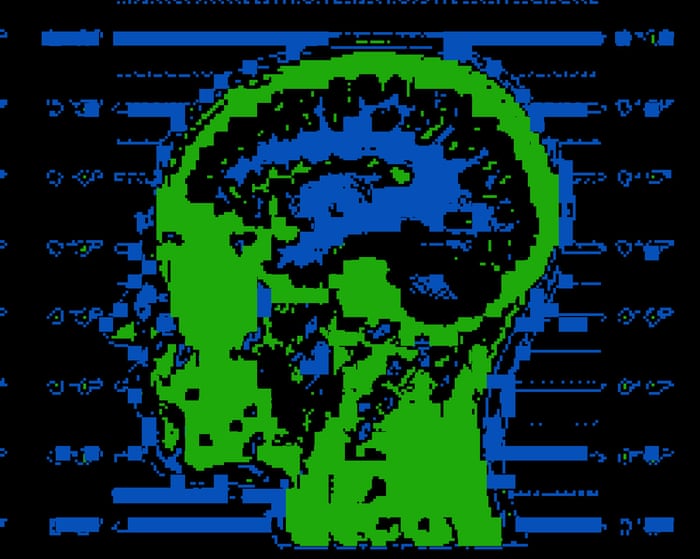
A scientist says he can scan prisoners’ brains for signs of evil. Did his disputed science put a man on death row?
Summary
A scientist named Kent Kiehl has studied the brains of criminals to find signs of psychopathy. His brain scan evidence has been used in many US court cases to argue that some defendants should get lighter sentences because their brains show they might not fully understand right from wrong.Key Facts
- Kent Kiehl is a researcher who studies prisoners' brains to find traits linked to psychopathy, a disorder involving a lack of empathy or guilt.
- In 2009, Kiehl testified in the trial of Brian Dugan, a convicted serial killer, using brain scans and a psychopathy checklist.
- Brain scans used were done with functional magnetic resonance imaging (fMRI), which shows brain activity when subjects see emotional images.
- Despite Kiehl’s testimony, Dugan was sentenced to death; his sentence was changed to life imprisonment after Illinois paused the death penalty.
- After this trial, brain scan evidence has been used in thousands of criminal cases in the US to argue for lighter punishment.
- A 2019 study found brain-based evidence appeared in over 2,800 court opinions and about 10-12% of murder trials involved such arguments.
- The idea is that certain brain abnormalities may make some people more prone to criminal behavior, which can affect their legal responsibility.
- Scientists remain cautious, and the use of brain evidence in court is still controversial and debated.
Read the Full Article
This is a fact-based summary from The Actual News. Click below to read the complete story directly from the original source.