Early land animals skipped the tadpole phase
Summary
Scientists have found that early land animals called tetrapods, which lived over 300 million years ago, did not have a tadpole stage like many modern amphibians do. Instead, these ancient animals grew directly into miniature adults without undergoing a watery larval phase.Key Facts
- Early tetrapods were ancient vertebrates that started living on land more than 300 million years ago.
- Scientists assumed early tetrapods had a tadpole-like stage because modern amphibians do, but there was no previous evidence.
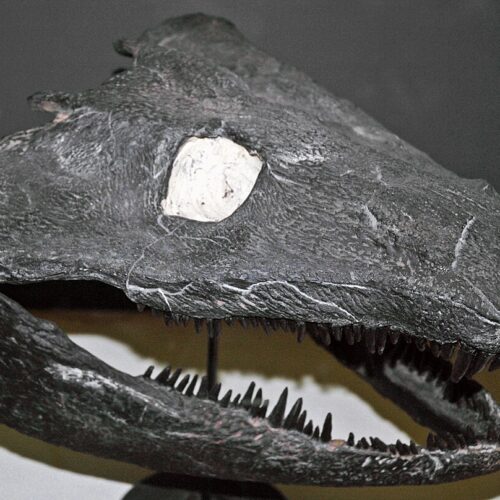
- A new study examined fossils of embolomers, large predators from that time with features like both crocodiles and eels.
- Researchers found a tiny young embolomer fossil with no signs of external gills or a tadpole phase.
- The fossil had an internal yolk sac, indicating large, nutrient-rich eggs similar to reptiles and birds, not small amphibian-like eggs.
- Another small embolomer fossil confirmed the absence of a tadpole phase.
- The findings suggest these early tetrapods developed directly into miniature adults without metamorphosis.
- This challenges long-held ideas about the early life cycles of animals that first moved from water to land.
Read the Full Article
This is a fact-based summary from The Actual News. Click below to read the complete story directly from the original source.