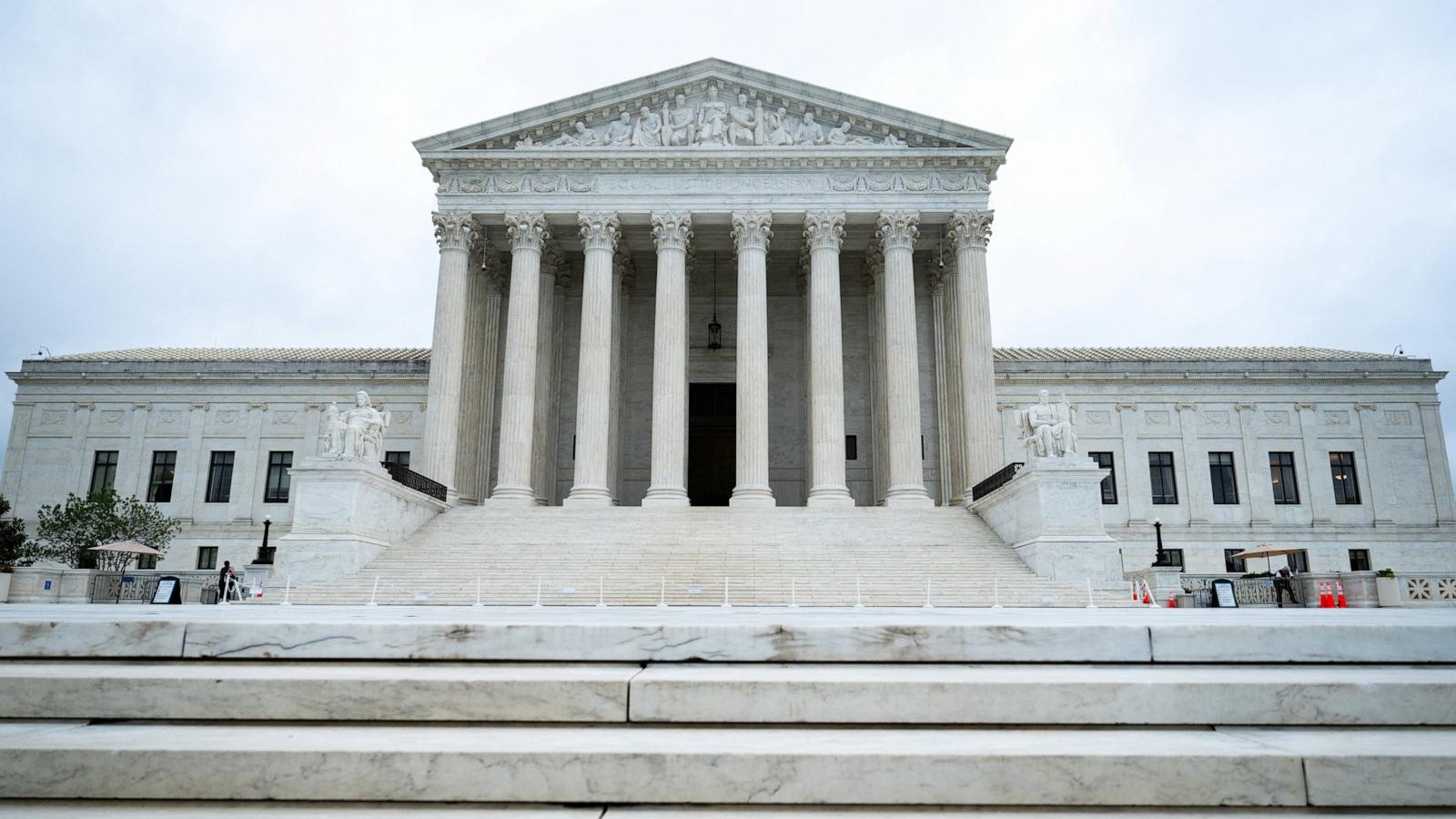
Supreme Court says Exxon can sue Cuba over $1B in seized property
Summary
The U.S. Supreme Court ruled that Exxon Mobil can sue the Cuban government over property worth more than $1 billion that Cuba seized. The court said Cuba cannot use sovereign immunity to avoid these lawsuits under the Helms-Burton Act, a law allowing Americans to sue over Cuban property seizures.Key Facts
- The Supreme Court decided 6-3 that Exxon Mobil can sue Cuba over seized assets.
- The seized property includes gas stations, an oil refinery, depots, and packaging plants in Cuba.
- The ruling is based on the Helms-Burton Act, passed in 1996, which allows U.S. nationals to sue over Cuban property seizures.
- Until 2019, U.S. presidents waived the right to sue under this law, but President Donald Trump ended this waiver.
- Cuba argued it was protected by the Foreign Sovereign Immunities Act, but the Supreme Court rejected this claim.
- Justice Brett Kavanaugh wrote the main opinion, saying the Helms-Burton Act removes Cuba's immunity from these lawsuits.
- The decision may increase legal and financial pressure on Cuba, which faces economic difficulties.
- Three Supreme Court justices disagreed, believing the Helms-Burton Act does not clearly remove Cuba’s immunity.
Read the Full Article
This is a fact-based summary from The Actual News. Click below to read the complete story directly from the original source.