Wounded soldiers, families accuse Army of downplaying war injuries
Summary
Some American soldiers wounded in the conflict with Iran say their injuries are more serious than the military reports. The Army says it follows specific rules to classify injuries, but some soldiers and their families feel their wounds are being downplayed.Key Facts
- Defense Secretary Pete Hegseth said nearly 90% of 400 injured soldiers had minor injuries and returned to duty.
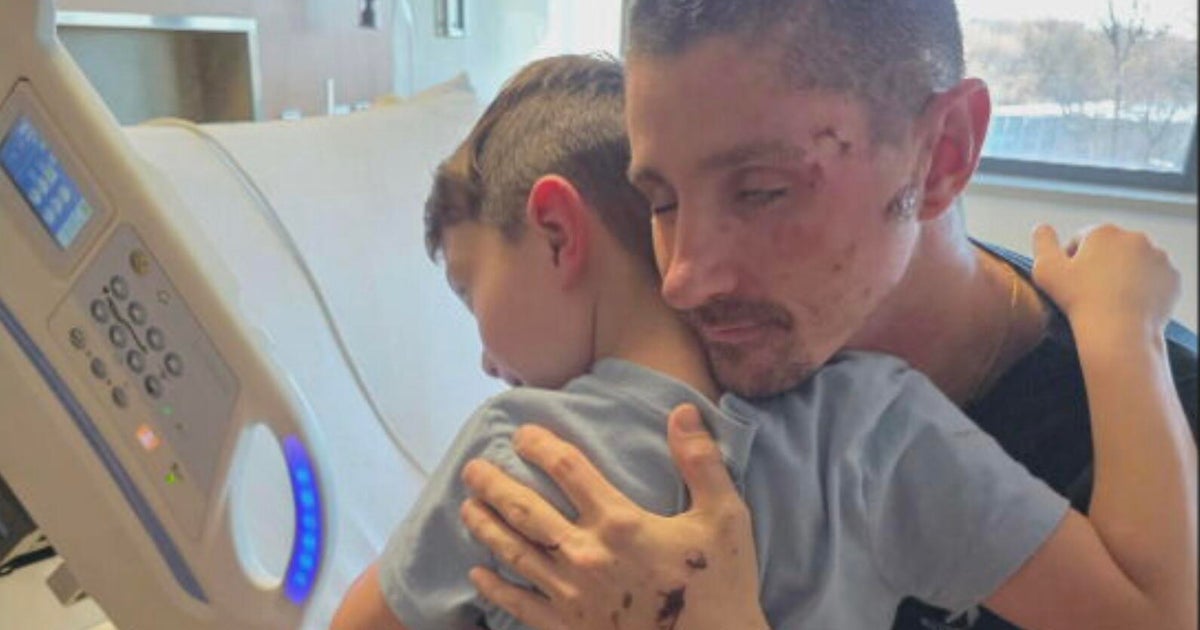
- Chief Warrant Officer Rodney Bearman suffered shrapnel wounds, concussion, hearing and vision loss, and lung damage, but the Army called his injuries "not seriously injured."
- Over 20 soldiers were hurt in the deadliest attack on U.S. troops since 2021, including Bearman.
- Soldiers in "recovery units" are allowed to recuperate but may still be counted as returned to duty by some accounts.
- Sergeant First Class Cory Hicks had severe shrapnel wounds and multiple surgeries but was told his injuries were minor.
- The Army says "seriously injured" means a soldier is at risk of dying within 72 hours, explaining their injury classifications.
- Families of wounded soldiers say they were not treated as combat casualties, which the Army denies.
- Amy Bearman learned of her husband's "not seriously injured" status after the attack, but his condition was worse than initially described.
Read the Full Article
This is a fact-based summary from The Actual News. Click below to read the complete story directly from the original source.