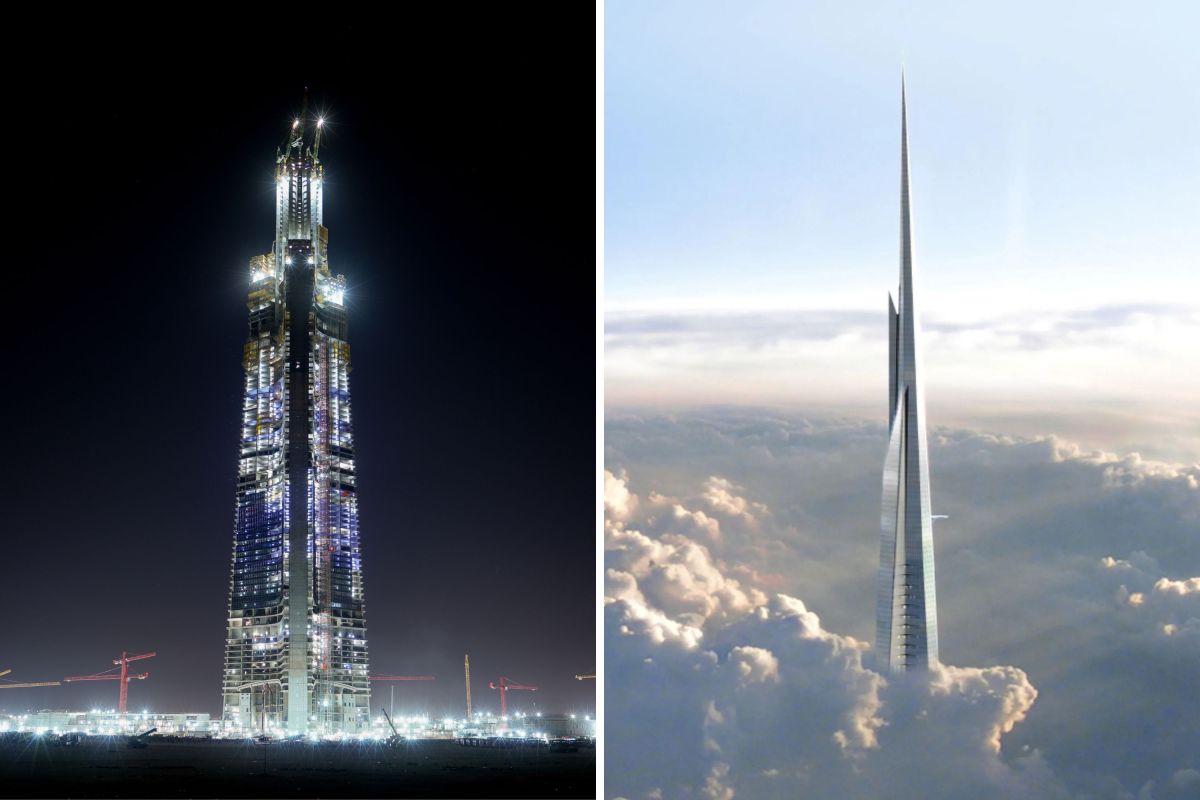
Engineer of World’s Tallest Skyscraper Reveals Detail ‘We Don’t Talk About’
Summary
The Jeddah Tower in Saudi Arabia, set to be the tallest building in the world, will extend above the atmospheric boundary layer, a rarely discussed feature in skyscraper design. This means roughly one-third of the tower rises above the part of the atmosphere where most weather occurs, affecting wind and stress on the building.Key Facts
- The Jeddah Tower will be over 1,000 meters tall, surpassing Dubai’s Burj Khalifa, currently the tallest building.
- About one-third of the tower is above the atmospheric boundary layer, where weather effects like strong winds and turbulence are reduced.
- The atmospheric boundary layer is the lowest part of the atmosphere, typically up to 1-3 kilometers above the ground, where most weather happens.
- Wind speeds above this layer are more steady but produce less extreme peak forces on tall structures.
- The building was designed by architects Adrian Smith and Gordon Gill, with Smith also having designed the Burj Khalifa.
- Super tall buildings like Jeddah Tower face challenges related to carbon emissions from construction materials and operations.
- Buildings contribute 39% of global energy-related carbon emissions, including emissions in material production and building maintenance.
- Designers aim to balance building form with energy efficiency to reduce the environmental impact of such large structures.
Read the Full Article
This is a fact-based summary from The Actual News. Click below to read the complete story directly from the original source.