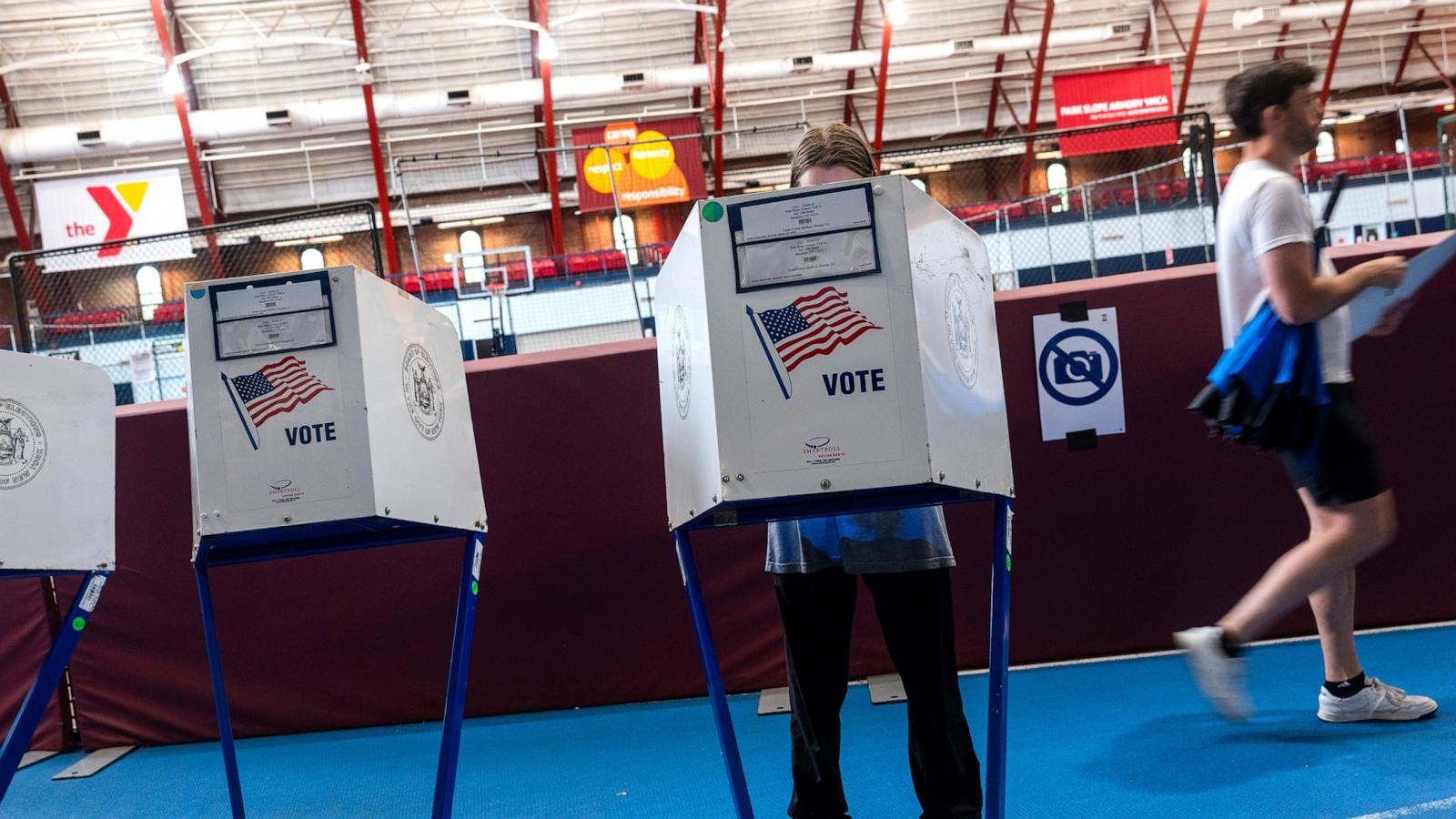
'Canary in the coal mine': States threaten crackdown on election betting
Summary
Some U.S. states like Maryland, Texas, Arizona, and Wisconsin ban betting on elections, but many Americans can legally place such bets through online prediction markets. State officials are working on how to enforce these bans, with some legal cases ongoing about whether election betting falls under state gambling laws or federal regulation.Key Facts
- Maryland bans election betting and plans to enforce its law by referring cases to prosecutors when necessary.
- More than half of U.S. states have laws restricting or banning election betting.
- Wisconsin law prohibits residents from voting in elections where they have placed bets; violating this could lead to voter fraud charges.
- Arizona's attorney general charged Kalshi, a prediction market platform, with illegal gambling, but a judge blocked the case after a federal agency stepped in.
- The Commodity Futures Trading Commission (CFTC) oversees prediction markets and argues they should be regulated federally, not by states.
- Texas election officials are discussing how to handle election betting amid concerns about election manipulation and misinformation.
- Prediction markets allow people to bet on election outcomes, candidate dropouts, voter turnout, and more.
- Enforcement of election betting bans is a new and growing issue as these markets gain popularity.
Read the Full Article
This is a fact-based summary from The Actual News. Click below to read the complete story directly from the original source.