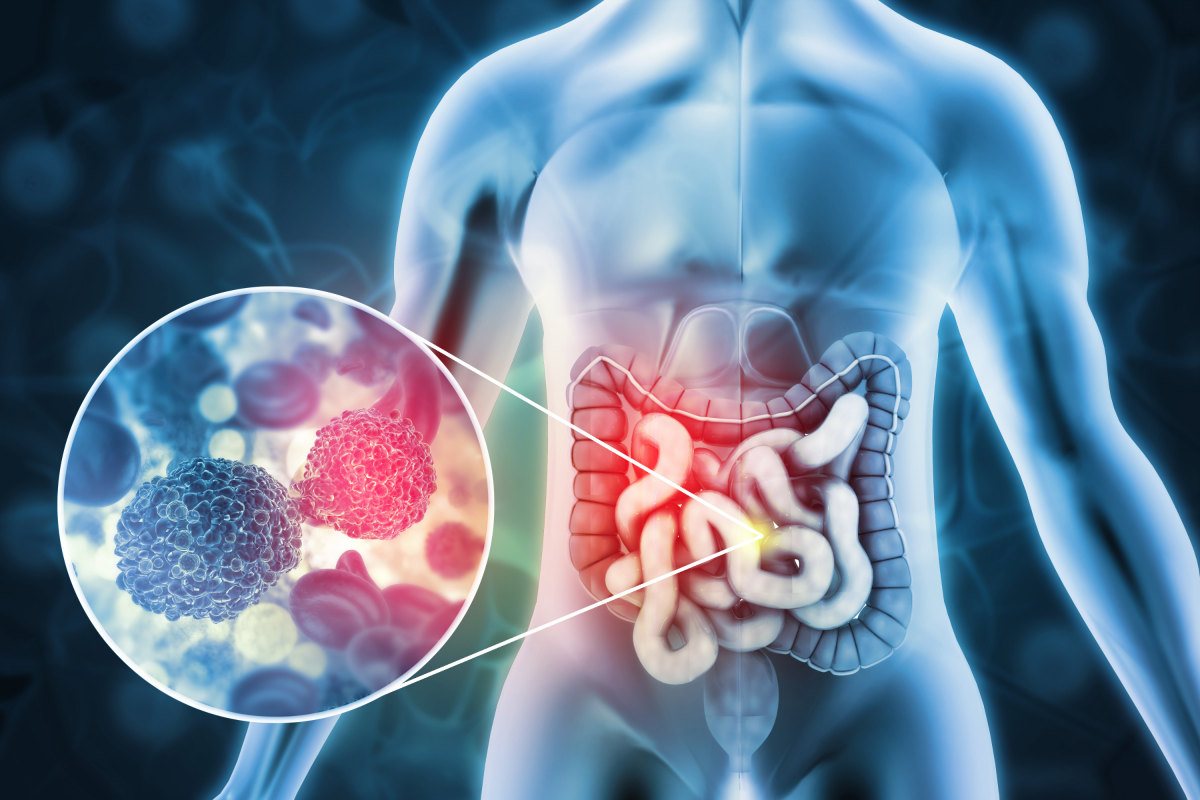
Colon Cancer Cells May 'Switch Identity' To Spread
Summary
Scientists found that colon cancer cells can change their identity to spread to other parts of the body, especially the liver. This change is linked to losing a molecule called GATA6, which normally keeps cells specialized. The study suggests that cancer spreads not mainly because of DNA mutations but because of changes that control gene activity.Key Facts
- Colon cancer cells can "reprogram" themselves into a flexible, primitive state that helps them spread.
- The molecule GATA6 acts as an "identity keeper" for intestinal cells, keeping them mature and specialized.
- When GATA6 is lost, cancer cells revert to a fetal-like, stem-cell state, allowing them to move and form new tumors.
- This switch increases cellular plasticity, meaning cells can change their type or behavior to survive and spread.
- The spread of cancer (metastasis) is mainly caused by epigenetic changes that turn genes on or off without altering the DNA code.
- Researchers used organoids (3D clusters of cancer cells) and mice to study how cancer cells evolve and spread.
- Low levels of GATA6 are found in tumors that have spread and are linked to worse outcomes for patients.
- Understanding this process could help develop new treatments targeting how genes are regulated in metastatic colon cancer.
Read the Full Article
This is a fact-based summary from The Actual News. Click below to read the complete story directly from the original source.