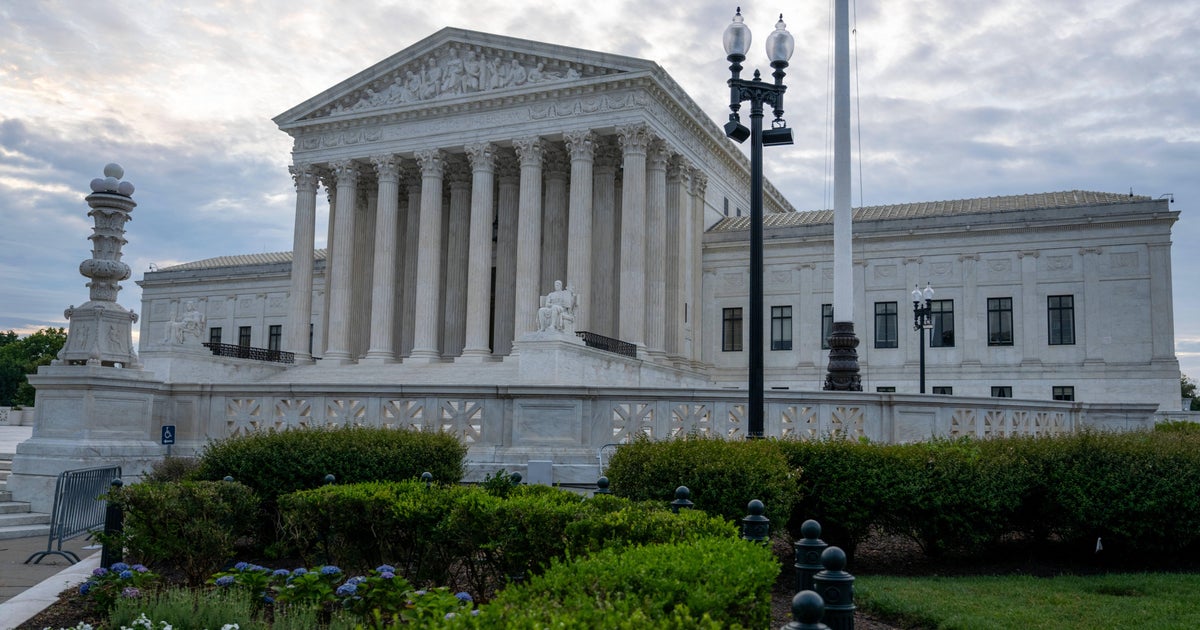
Supreme Court strikes down Hawaii law restricting guns on some private property
Summary
The U.S. Supreme Court ruled 6-3 that Hawaii's law requiring people with concealed-carry permits to get permission before bringing guns onto private property open to the public is unconstitutional. This decision supports gun owners' Second Amendment rights and does not change rules about guns in sensitive places like schools or government buildings.Key Facts
- The Supreme Court struck down Hawaii's "vampire rule," which required gun owners to ask for permission to carry firearms on private property open to the public.
- The ruling follows a 2022 Supreme Court decision recognizing the right to carry firearms outside the home.
- Hawaii's law made it a crime to carry a gun without permission, punishable by up to one year in prison.
- The case was brought by three Maui residents and the Hawaii Firearms Coalition, claiming the law violated the Second Amendment.
- A lower court first ruled against Hawaii's law, but the 9th Circuit Court of Appeals upheld it before the Supreme Court took the case.
- The Trump administration supported the gun owners, calling the law "blatantly unconstitutional."
- The decision does not affect Hawaii's restrictions on guns in bars, beaches, parks, schools, or government buildings.
- Four other states have similar laws restricting gun carry on private property, but courts have blocked them in New York, California, and Maryland.
Read the Full Article
This is a fact-based summary from The Actual News. Click below to read the complete story directly from the original source.