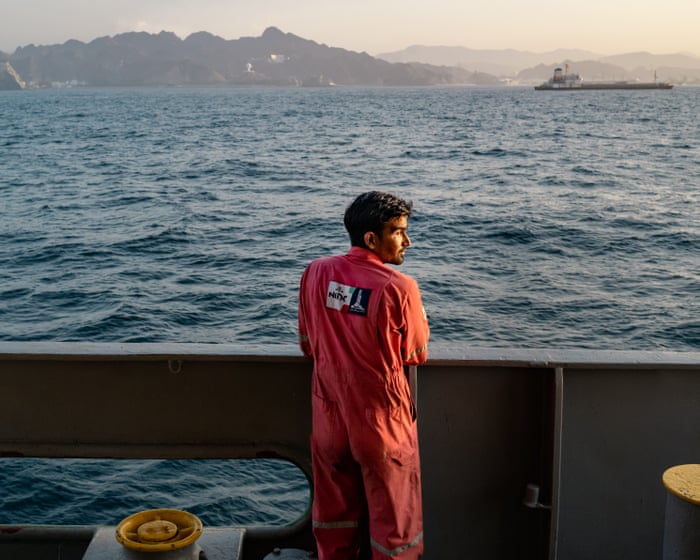
UN-backed plan to free ships trapped in strait of Hormuz rejected by Iran
Summary
Iran has rejected a UN-supported plan to help evacuate ships stuck in the Strait of Hormuz, a key waterway for global trade. The rejection comes amid tensions over control and safety in the strait, as Iran and other Gulf countries have different plans for managing ship traffic.Key Facts
- Iran refused a UN plan supported by Oman to create new ship evacuation routes in the Strait of Hormuz.
- The plan included setting up a management system for the strait, possibly charging voluntary fees like in the Malacca and Singapore straits.
- The Iranian Revolutionary Guards called the new routes unsafe and insisted ships must coordinate with them to pass through.
- A previously used shipping route is blocked by mines, making it dangerous for ships.
- Iran and the US recently signed a deal aimed at ensuring free navigation without fees in the strait for at least 60 days.
- Saudi Arabia’s efforts to hold talks between Gulf states and Iran for a peace pact were harmed by Iran’s rejection.
- Iran is using control over the strait as a bargaining chip in ongoing talks about US sanctions, asset relief, and its nuclear program.
- Separately, Israel and Lebanon continue disagreements over Israeli troop withdrawals from southern Lebanon, complicating regional peace efforts.
Read the Full Article
This is a fact-based summary from The Actual News. Click below to read the complete story directly from the original source.