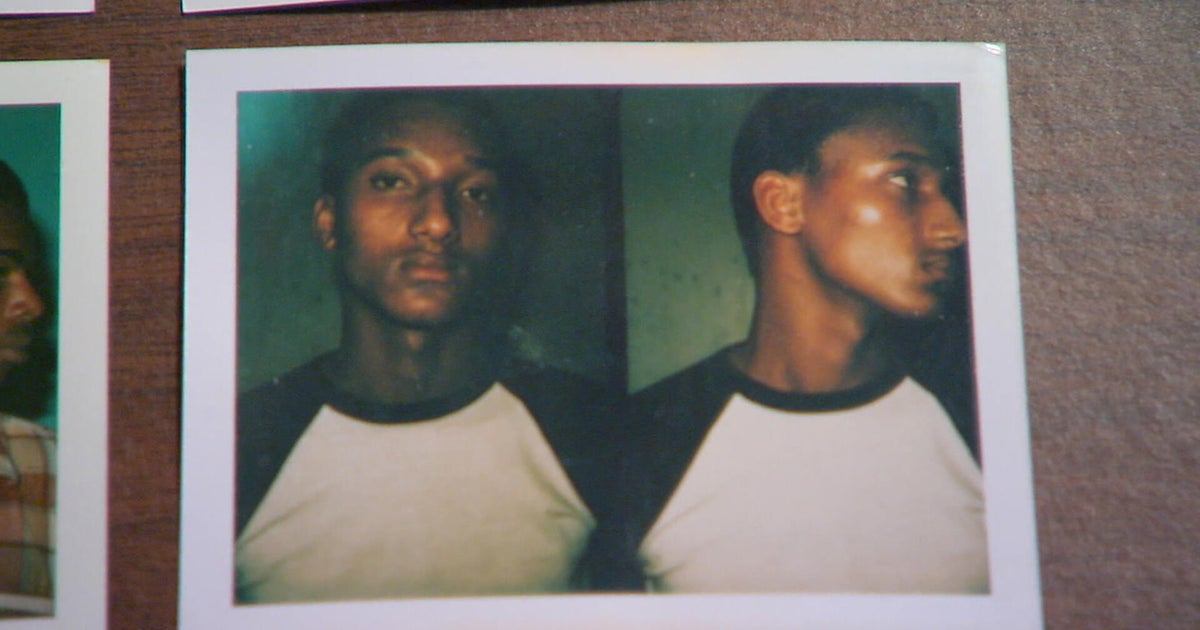
Eyewitness: How accurate is visual memory? | 60 Minutes Archive
Summary
This news story discusses problems with how eyewitnesses identify suspects, which can lead to innocent people being wrongly convicted. It highlights the case of Ronald Cotton, who was mistakenly found guilty of rape but later cleared by DNA proof.Key Facts
- Eyewitness identification can be unreliable and cause wrongful convictions.
- Ronald Cotton was wrongly convicted of rape based on eyewitness testimony.
- DNA evidence later proved Ronald Cotton was innocent.
- The story was reported by Lesley Stahl in 2009 on "60 Minutes."
- The issue points to flaws in police and courtroom procedures related to eyewitness memory.
- Eyewitness memory is often imperfect and can be influenced by various factors.
- Improving identification methods could reduce wrongful convictions.
Read the Full Article
This is a fact-based summary from The Actual News. Click below to read the complete story directly from the original source.