Feedbacks upon feedbacks: Rock weathering and the climate
Summary
Scientists studied a global warming event that happened 183 million years ago during the early Jurassic period. They found that the weathering of organic carbon in rocks released extra CO2, which increased climate warming. This process may also influence today’s climate change.Key Facts
- Rock weathering can both remove and release CO2 from the atmosphere.
- The study focused on the Toarcian Ocean Anoxic Event, a global warming episode linked to volcanic eruptions.
- These eruptions, occurring in what is now South Africa and Antarctica, caused a 6° to 7° Celsius rise in global temperatures.
- The warming led to changes in plants and dinosaur species and caused a mass extinction of corals and marine life.
- Organic carbon in rocks comes from remains of plants, plankton, and microbes buried in ancient seabeds.
- When these sediments are lifted by tectonic activity and eroded, the organic carbon oxidizes and releases CO2.
- Researchers used a chemical called rhenium, found in seabed sediments, to trace how much organic carbon was weathered.
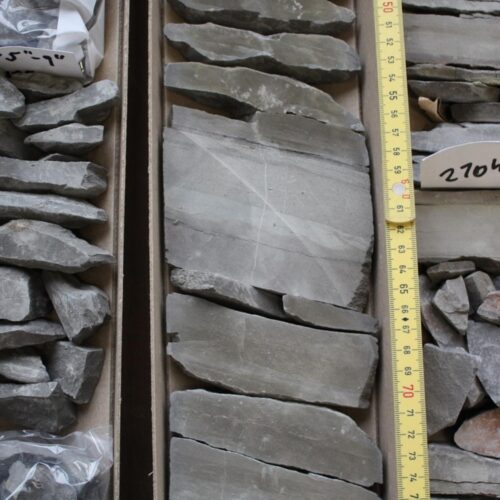
- Advances in measuring very small amounts of rhenium helped scientists study this ancient process using rock samples from Wales.
Read the Full Article
This is a fact-based summary from The Actual News. Click below to read the complete story directly from the original source.