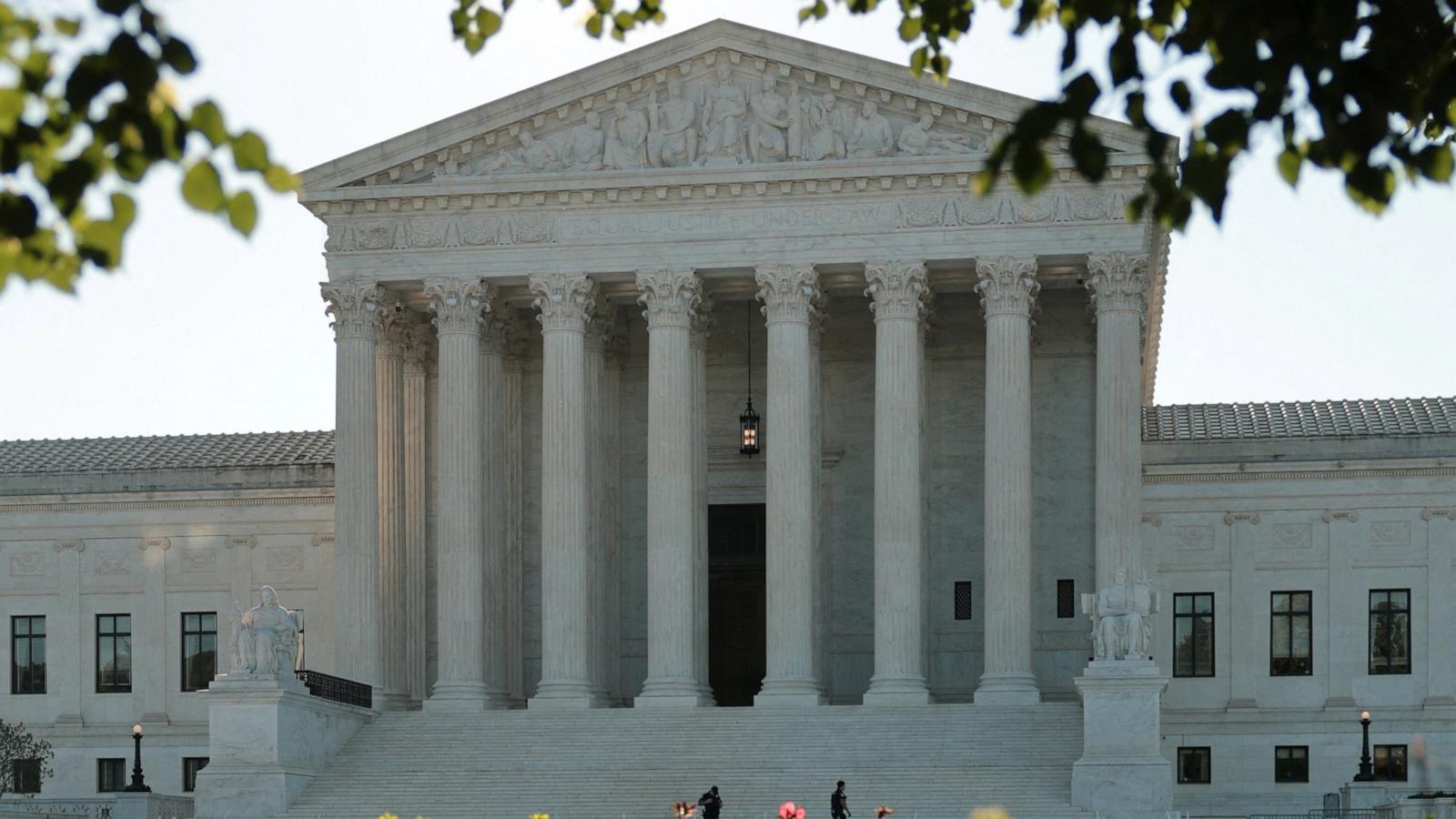
FAQ: What to know about birthright citizenship ahead of Supreme Court's ruling
Summary
The U.S. Supreme Court will soon decide on President Donald Trump's plan to end birthright citizenship through an executive order. Birthright citizenship means that almost all babies born in the U.S. automatically become American citizens, a rule based on the 14th Amendment and longstanding legal precedent.Key Facts
- Birthright citizenship grants automatic U.S. citizenship to nearly all babies born on American soil.
- This principle is based on the 14th Amendment, ratified in 1868, which states that anyone born or naturalized in the U.S. is a citizen.
- The rule applies regardless of the parents' immigration status, including unauthorized immigrants and temporary visitors.
- The Supreme Court decision is expected to impact millions of children and families across the country.
- About 3.6 million children are born in the U.S. each year, and their birth certificates serve as proof of citizenship for many benefits and legal rights.
- Thirty-two countries have similar birthright citizenship laws, mostly in the Western Hemisphere.
- Some countries, especially in Europe, have more restrictive citizenship laws based on parents' nationality rather than birthplace.
- President Trump issued an executive order at the start of his second term attempting to end birthright citizenship, challenging more than 100 years of legal tradition.
Read the Full Article
This is a fact-based summary from The Actual News. Click below to read the complete story directly from the original source.