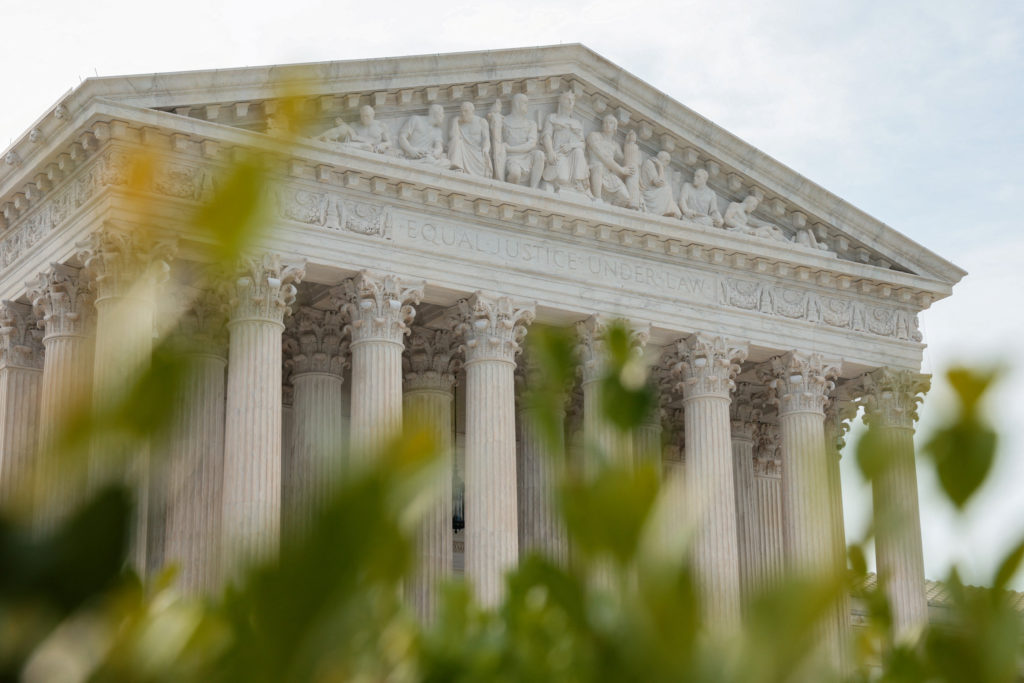
How the Supreme Court decides its cases — a step‑by‑step guide
Summary
The U.S. Supreme Court decides cases through a detailed process that starts when a party asks the court to review a lower court's decision. The justices select a few cases to hear each term, then consider written arguments, hear oral arguments, and finally announce their decisions.Key Facts
- The Supreme Court only reviews cases if at least four of the nine justices agree to hear them.
- About 4,000 cases are petitioned each term, but fewer than 80 are chosen for review.
- Losing parties in lower courts file a petition called a writ of certiorari to ask the Supreme Court to hear their case.
- Interested groups can submit amicus curiae ("friend of the court") briefs to share their views on important cases.
- Justices rely on law clerks—young lawyers who help summarize and recommend which cases to pick.
- After selecting cases, both sides submit written briefs and present oral arguments before the justices.
- Oral arguments usually last one hour, split evenly between the two sides, during which justices ask questions.
Read the Full Article
This is a fact-based summary from The Actual News. Click below to read the complete story directly from the original source.