The U.S. lags other countries in social media restrictions for kids, but a reform push is growing
Summary
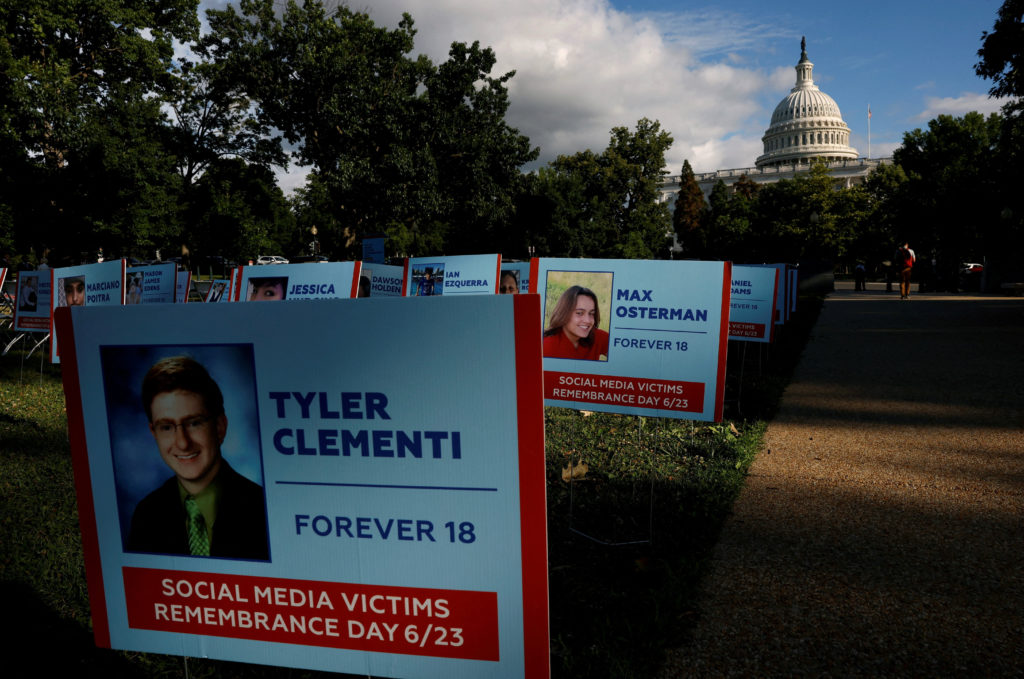
Two mothers who lost their teenage sons to harms linked to social media have become advocates for better protections for children online. While other countries have banned social media use by young teens, the U.S. is still working on laws but has seen recent legal cases hold tech companies partly responsible.Key Facts
- Two mothers lost their teen sons in 2020 due to social media-related harms: one from drug sales through Snapchat, the other from suicide after cyberbullying.
- Their advocacy helped build a movement pushing for stronger social media safety laws for children.
- Other countries like Australia, the U.K., Turkey, and Indonesia have banned social media use for kids under 15 or 16.
- Recent U.S. jury verdicts have held companies like Meta and Google responsible for harm caused to children, showing internal company concerns likening social media to addictive drugs or casinos.
- U.S. law Section 230 has protected social media companies from liability for user content, but lawsuits now focus on the companies’ design choices to bypass this protection.
- The U.S. has slow-moving federal laws; the Children's Online Privacy Protection Act requires parental consent for data collection from kids under 13.
- A new bipartisan bill, the Kids Internet and Digital Safety Act, advances some safety goals but has removed a key legal "duty of care" requirement for companies.
- Families and advocates recognize more work is needed to create effective protections for children online.
Read the Full Article
This is a fact-based summary from The Actual News. Click below to read the complete story directly from the original source.