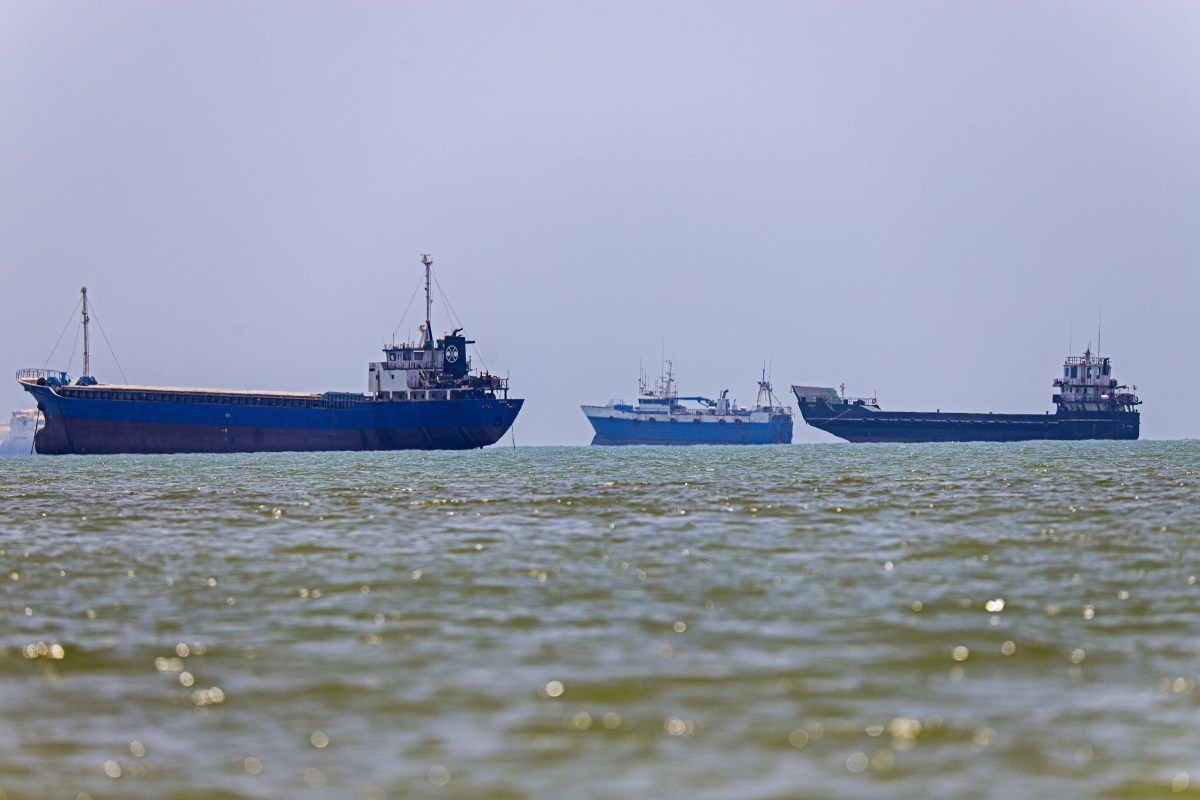
Four Ways the Gulf Makes Iran’s Hormuz Toll Backfire | Opinion
Summary
Iran has gained control over the Strait of Hormuz, a key route for about one-fifth of the world’s seaborne oil and gas. Despite a temporary pause on transit fees, Iran insists on controlling shipping lanes. The Gulf countries and the U.S. face challenges in managing this situation and must find ways to reduce Iran’s power over this vital waterway.Key Facts
- The Strait of Hormuz is critical, moving around 20% of the world’s seaborne oil and gas.
- Iran controls the northern shore and the longest coastline on the Gulf, giving it geographic advantage.
- Iran agreed to waive tolls temporarily for 60 days but plans to charge fees later.
- Oman proposed an alternative shipping lane managed by the International Maritime Organization (IMO), but Iran rejected it.
- Iran’s control allows it to set terms and fees for ships passing through the strait.
- President Trump suggested the U.S. might charge Gulf countries for protecting the region.
- The Gulf Cooperation Council (GCC) countries could jointly claim and manage the shipping corridor to reduce Iran’s control.
- The Gulf states could increase their own naval presence and develop alternative routes and infrastructure to lessen dependence on the Strait of Hormuz.
Read the Full Article
This is a fact-based summary from The Actual News. Click below to read the complete story directly from the original source.