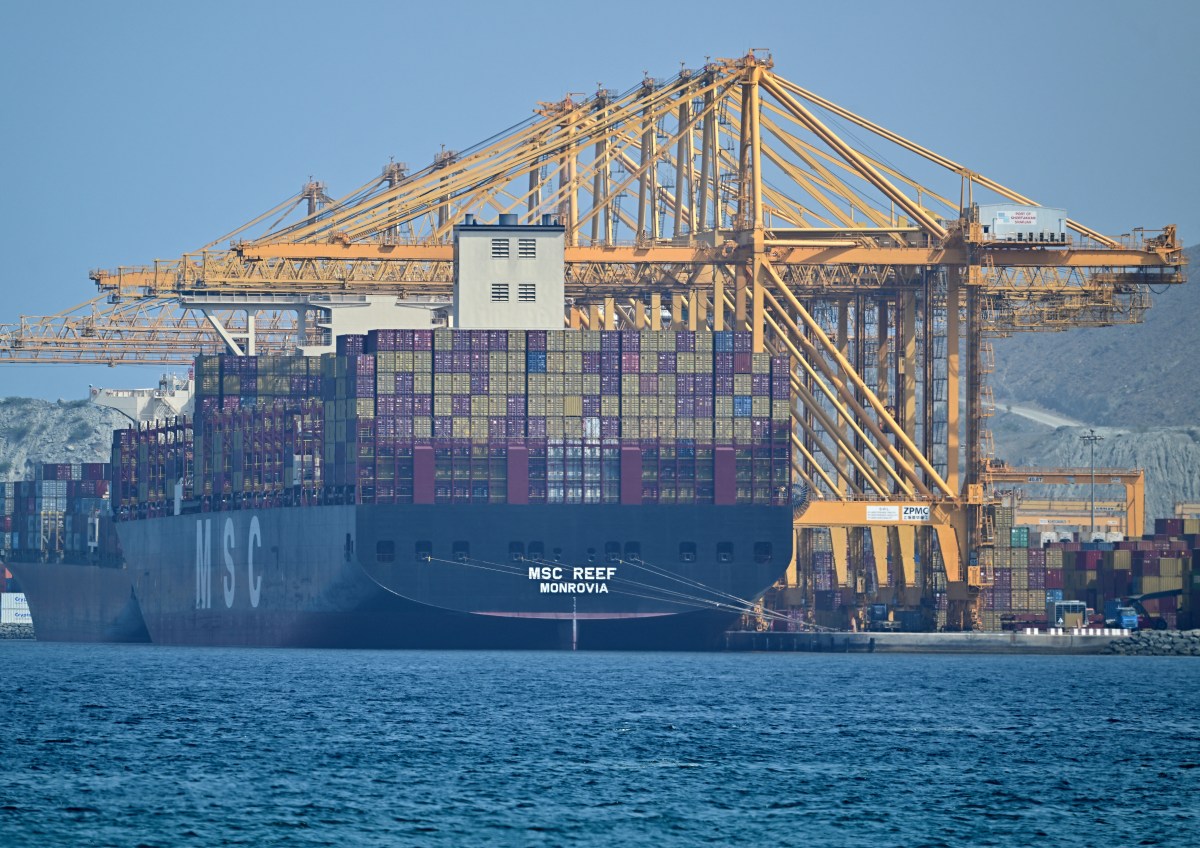
Will Iran Actually Give Up Control Of The Strait of Hormuz?
Summary
Tensions between the U.S. and Iran remain high over control of the Strait of Hormuz, a key waterway for global oil transport. Despite a recent ceasefire agreement signed by President Donald Trump and Iranian leaders, incidents like drone strikes and military responses have kept the situation unstable and uncertain.Key Facts
- The Strait of Hormuz is a vital international waterway where about one-fifth of the world’s oil passes through.
- Iran aims to keep strategic control over the Strait and has charged fees to vessels using it, which violated international law.
- A ceasefire memorandum was signed to end hostilities, but recent Iranian drone and missile attacks and U.S. military retaliation have strained this agreement.
- The U.S. says the Strait is fully open; Iran says full restoration of maritime traffic depends on its own actions.
- Shipowners face higher insurance costs and shipping delays due to the ongoing risks in the area.
- Oman has worked with the International Maritime Organization to open alternative shipping routes along its coast to avoid Iranian-controlled areas.
- Discussions between Iran and Oman about managing the waterway are sensitive and focus on respecting all neighboring countries’ rights.
- The situation remains tense, with uncertainty about whether Iran will fully give up control of the Strait.
Read the Full Article
This is a fact-based summary from The Actual News. Click below to read the complete story directly from the original source.