Scientists Discover How Bacteria Build Cancer-Fighting Drugs
Summary
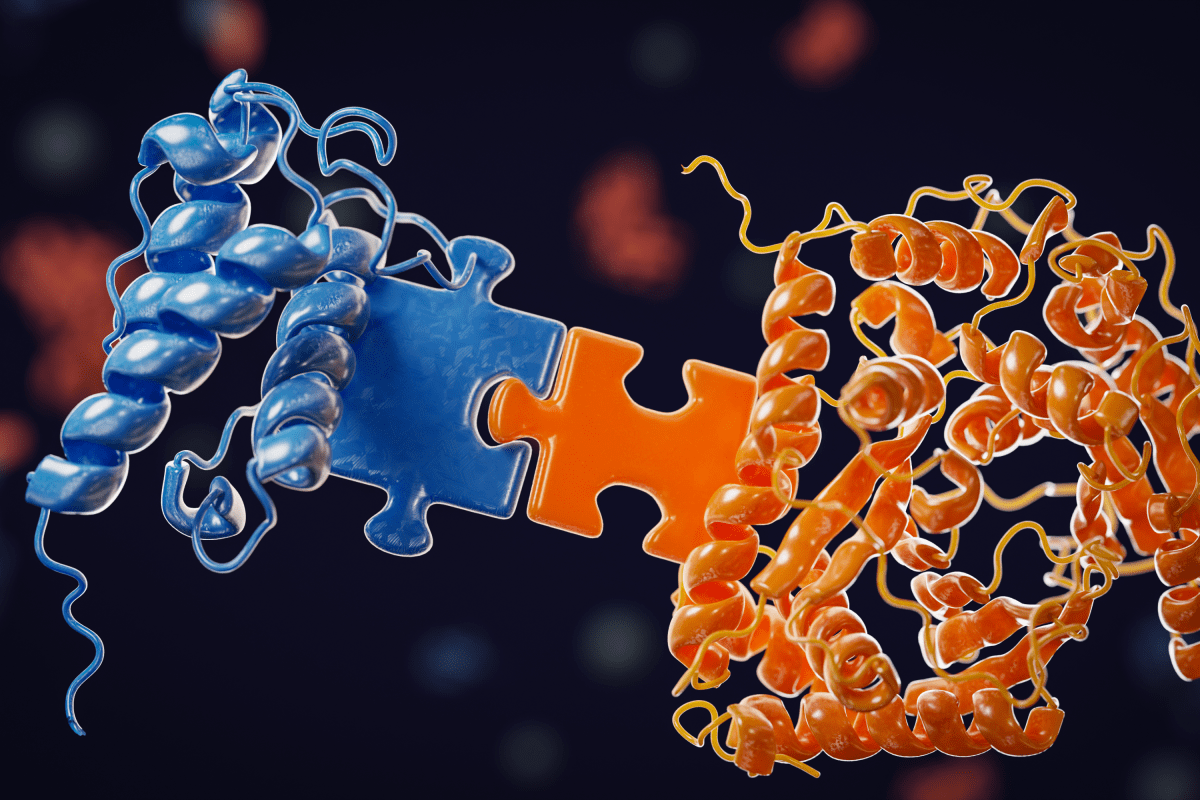
Scientists have discovered how bacteria create cancer-fighting drugs by connecting enzyme systems that build these compounds step by step. This finding could help speed up the production and development of new cancer treatments by mixing and matching parts of the drug-making process.Key Facts
- The study was published in the journal Nature Communications.
- Bacteria use enzyme complexes called polyketide synthases (PKSs) and nonribosomal peptide synthetases (NRPSs) to build complex molecules.
- These enzyme systems physically connect using a structure called the β-hairpin docking (βHD) domain.
- This connection allows bacteria to produce varied versions of HDAC inhibitors, drugs that stop cancer cells from growing.
- Romidepsin, a drug for some blood cancers, is part of this HDAC inhibitor family.
- The discovery explains how bacteria combine parts to create different drug molecules through a "mix-and-match" process called combinatorial biosynthesis.
- Using this knowledge, scientists may create new drugs that work against cancers not helped by current treatments.
- Any new drugs made will still need many years of testing before doctors can use them.
Read the Full Article
This is a fact-based summary from The Actual News. Click below to read the complete story directly from the original source.