How Iran could try to control the Strait of Hormuz — and profit from it
Summary
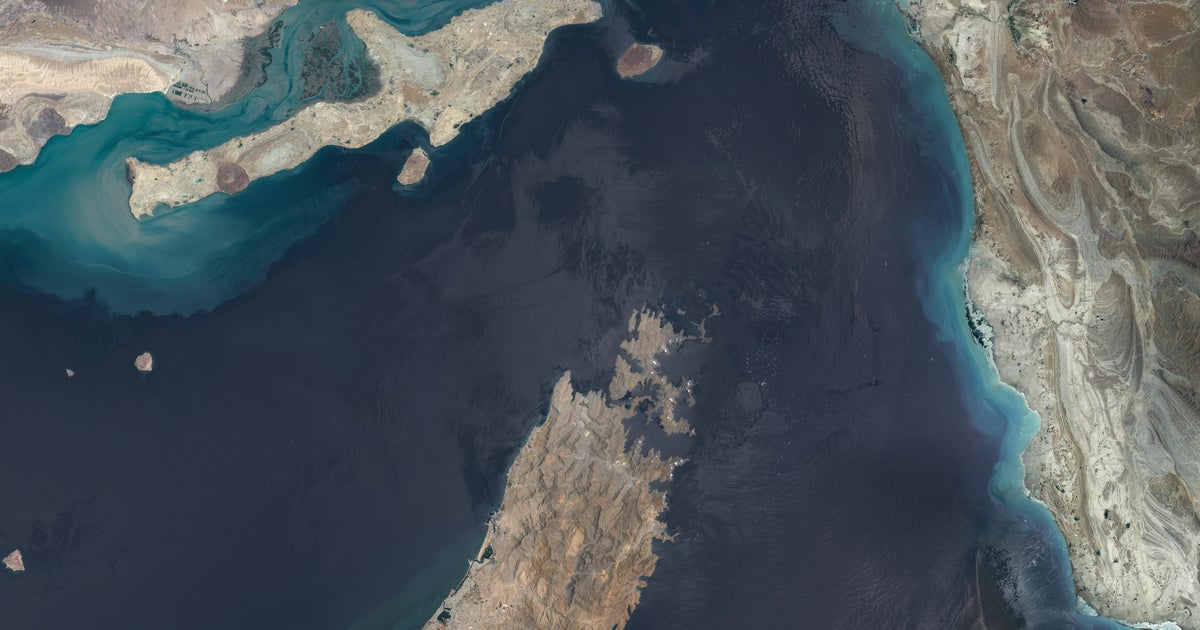
Iran responded to a joint U.S. and Israel attack by threatening or firing on ships in the Strait of Hormuz, a key route for oil shipments. A recent agreement between the U.S. and Iran allows toll-free passage for 60 days, but Iran plans to play a central role in controlling the strait and may charge fees after negotiations end.Key Facts
- The Strait of Hormuz is a crucial waterway through which about 20% of the world’s oil passes.
- Iran threatened or attacked ships in the strait following a U.S. and Israel operation against Iran.
- The disruption caused oil prices to rise globally, including higher fuel prices in the U.S.
- Two weeks ago, the U.S. and Iran signed an agreement for toll-free transit of the strait for 60 days while peace talks continue.
- Iran aims to control the new rules for navigating the strait, which may include charges or fees.
- Other important shipping routes like the Suez and Panama Canals charge fees, but these are man-made and governed by specific treaties, unlike the Strait of Hormuz.
- Turkey charges fees for ships using the Bosporus Strait under a 1936 treaty, but the United Nations law allows free innocent passage through territorial waters, which Iran has not fully accepted.
- Oman, which shares the strait with Iran, says there will be no transit fees but hasn’t ruled out fees for specific services like navigation or environmental protection.
Read the Full Article
This is a fact-based summary from The Actual News. Click below to read the complete story directly from the original source.