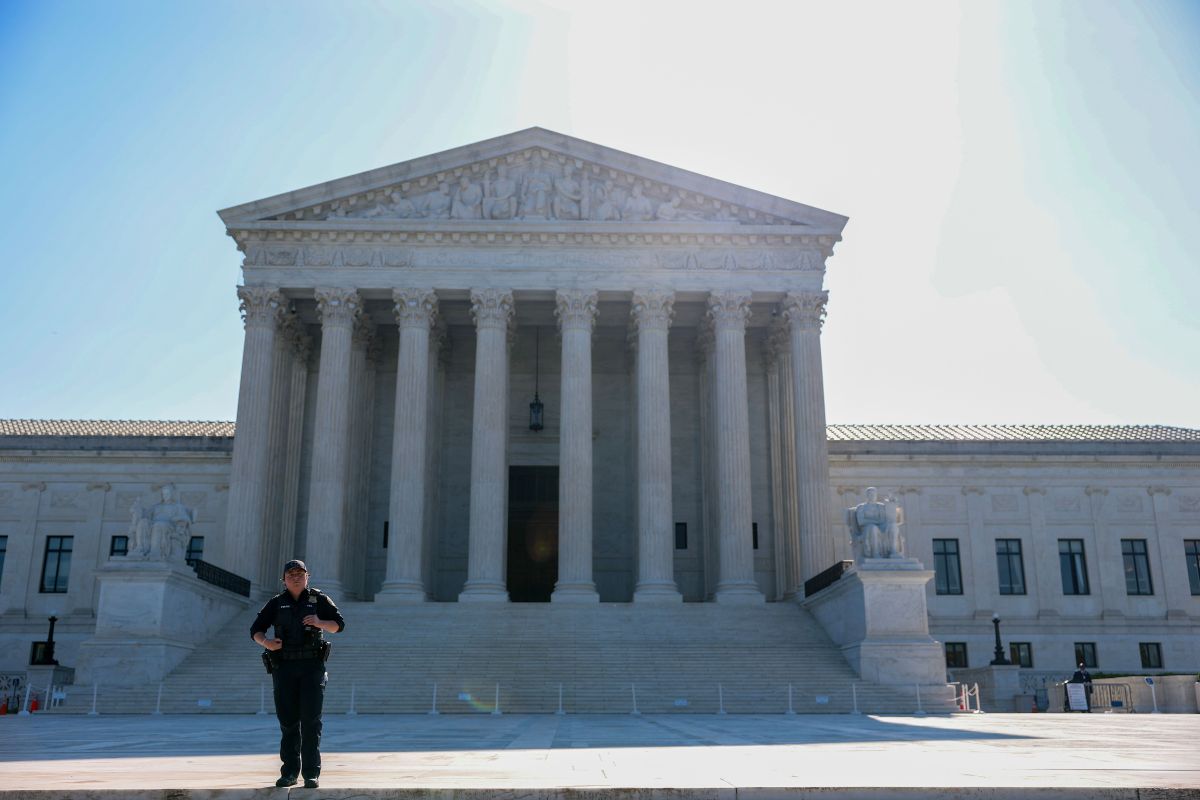
Supreme Court’s Pesticide Decision Sets Up a Major Food Fight | Opinion
Summary
The U.S. Supreme Court ruled 7-2 in the Monsanto v. Durnell case, making it harder for farmers with cancer to sue pesticide companies like Bayer-Monsanto over health risks linked to chemicals such as glyphosate. The Court decided that because the Environmental Protection Agency (EPA) approved the pesticide labels, companies are protected from lawsuits even if the warnings were insufficient.Key Facts
- The Supreme Court ruled that pesticide companies cannot easily be sued under state law if their labels were approved by the EPA.
- The case involved Bayer-Monsanto’s weedkiller Roundup, which has been linked to cancer in some farmers.
- The ruling limits farmers’ legal rights to seek compensation for health problems caused by toxic chemicals.
- President Trump’s administration supported Bayer-Monsanto in this case, reversing the previous Biden administration’s stance.
- There is growing bipartisan concern about toxic chemicals in food and water, with many Americans wanting banned pesticides removed from U.S. markets.
- After the ruling, some members of Congress from both parties pushed to remove legal protections for pesticide companies in farm bill legislation.
- The decision might encourage companies to seek wider legal protections in the future, possibly leading to use of more dangerous chemicals.
- Some lawmakers are working on laws to hold companies accountable and promote healthier food and fewer toxic pesticides.
Read the Full Article
This is a fact-based summary from The Actual News. Click below to read the complete story directly from the original source.