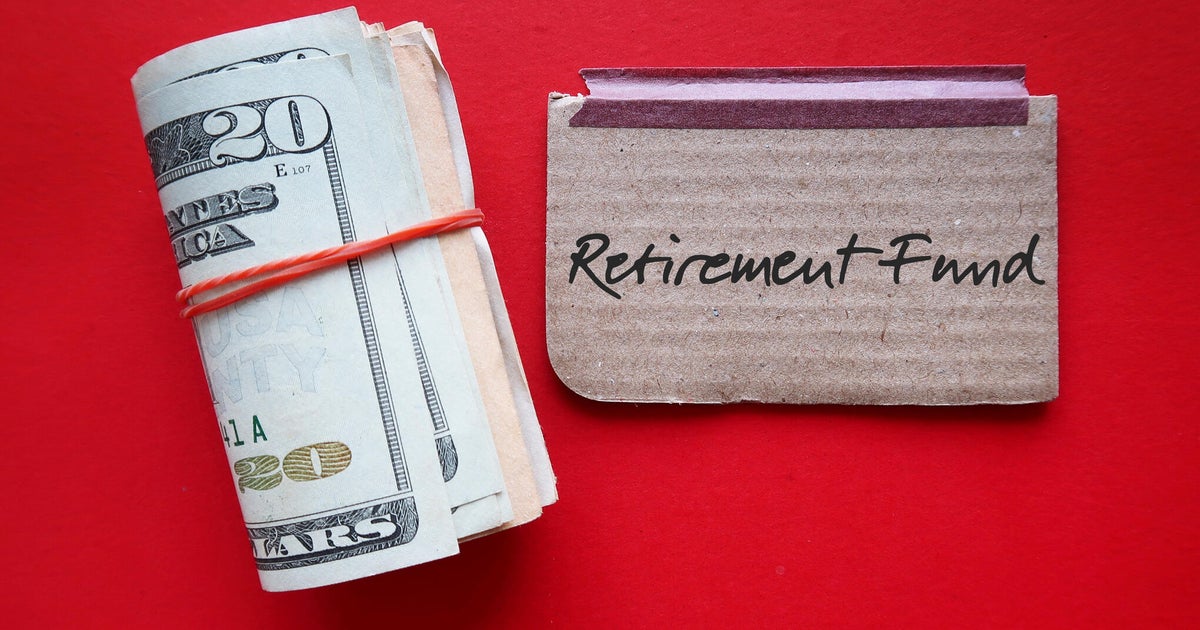
Should you stop contributing to retirement while paying off debt?
Summary
The article discusses whether people should stop saving for retirement while paying off debt. It explains that stopping retirement contributions can have long-term costs, especially if employers offer a matching contribution, but paying off high-interest debt like credit cards may make financial sense.Key Facts
- Managing debt and saving for retirement are both big financial challenges.
- Credit card interest rates are high, often above 21%, which is a cost that is hard for investments to beat.
- Employers often match 401(k) contributions, which is like free money and usually worth 4-5% of pay.
- Missing out on employer matching means losing thousands of dollars in potential retirement savings.
- Stopping retirement savings can reduce compounding growth, which helps investments grow over time.
- People with employer matching should usually keep contributing while paying down debt.
- If there is no employer match, it may be more reasonable to focus on paying off debt first.
- Age matters: younger people can afford to pause contributions temporarily more than those close to retirement.
Read the Full Article
This is a fact-based summary from The Actual News. Click below to read the complete story directly from the original source.