Can This Asian Strait Serve as Model for US-Iran Peace Deal?
Summary
The Strait of Hormuz, a key waterway for global oil transport, is central to U.S.-Iran peace talks. Oman has suggested a payment system like one used in the Strait of Malacca for managing the strait, but the U.S. and Iran disagree on whether Iran can charge fees for ships passing through.Key Facts
- The Strait of Hormuz carries about one-fifth of the world’s oil shipped by sea each year.
- Iran controls the strait and has used this to influence global energy markets.
- Shipping through the Strait of Hormuz has dropped sharply due to fears of Iranian attacks and higher insurance costs.
- Some ships pay fees to Iran’s Revolutionary Guard for safe passage in a designated lane.
- Oman has proposed a payment system modeled on the Strait of Malacca’s cooperative funding system for navigation and safety.
- The U.S., led by President Donald Trump and Vice President JD Vance, opposes Iran charging fees after the current two-month negotiation period.
- Iran says it wants a "maritime service" fee for maintenance and protection, not a toll.
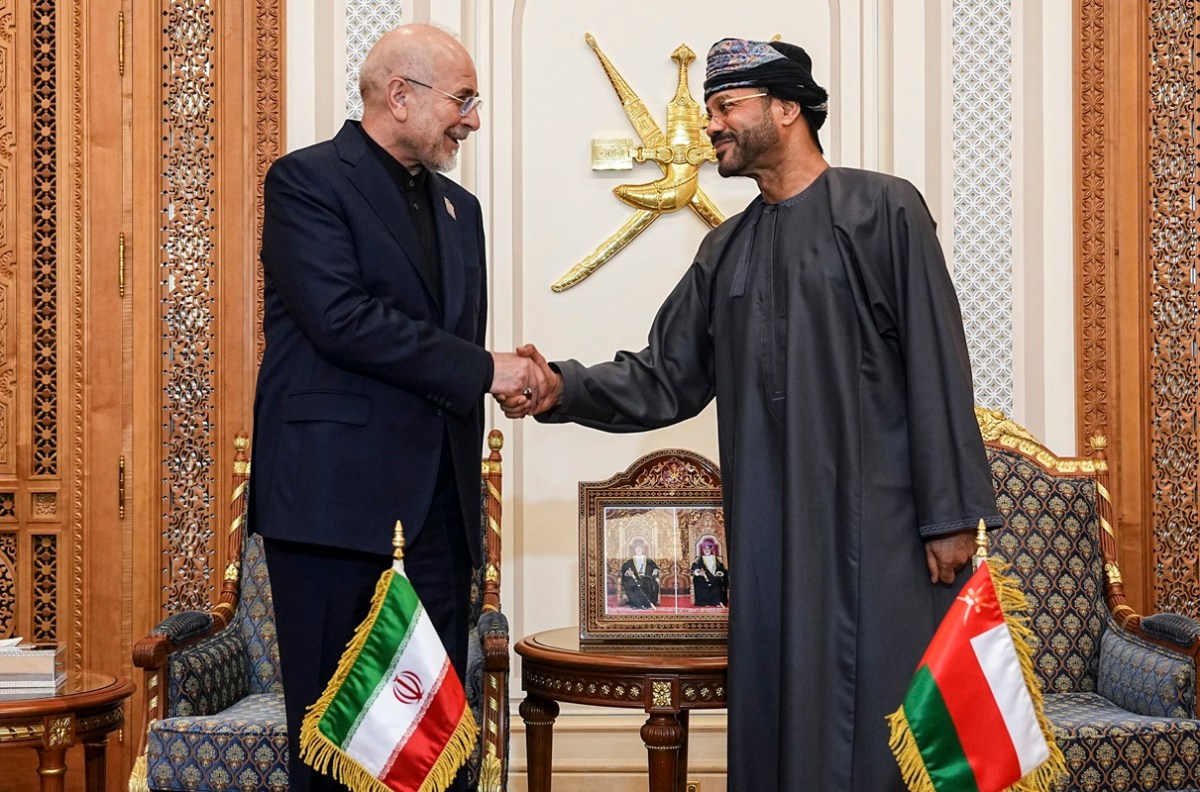
- Oman, which controls the southern part of the strait, has remained neutral and helps mediate talks.
Read the Full Article
This is a fact-based summary from The Actual News. Click below to read the complete story directly from the original source.