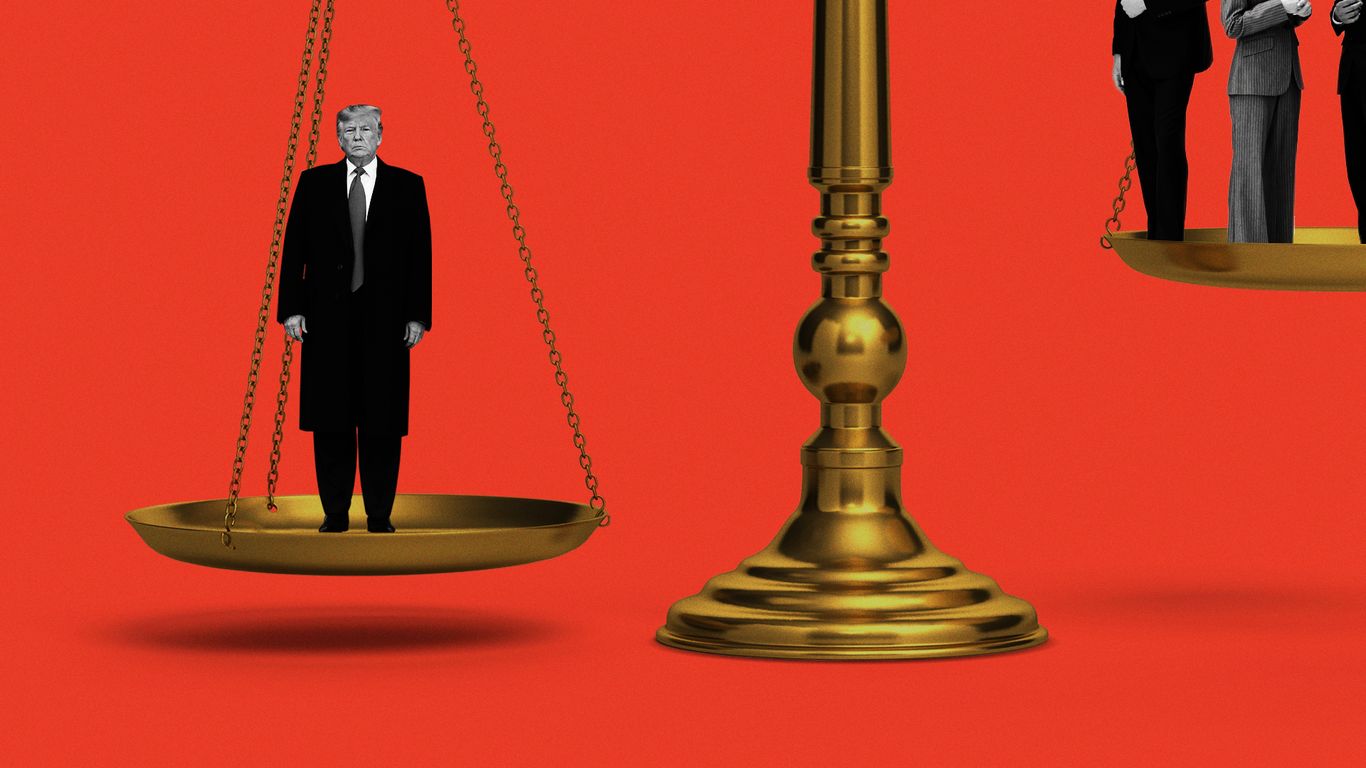
The Supreme Court's favorite branch of government is itself
Summary
The Supreme Court recently made several decisions that reduced Congress’s power and increased control by the president and the court itself. These rulings affected laws about voting, government spending, and agency independence, often favoring a theory that the president has strong control over the executive branch.Key Facts
- The Supreme Court limited Congress’s ability to protect voting rights and oversee political party spending.
- The court ruled that the president controls executive agencies, reducing their independence, as seen in the Federal Trade Commission case.
- It allowed the president to withhold $4 billion in foreign aid despite Congress’s opposition.
- The court made it harder to challenge voting maps that reduce Black and Latino voting power under the Voting Rights Act.
- Justices used different legal approaches depending on the case to reach decisions that often increased presidential power.
- The court’s "shadow docket" lets it make quick decisions without full arguments, affecting many of President Trump’s contested policies.
- Chief Justice Roberts wrote the main opinions against some of President Trump’s policies, such as on birthright citizenship and emergency tariffs.
- The court showed inconsistency in applying historical and constitutional rules, sometimes changing its legal reasoning to support its outcomes.
Read the Full Article
This is a fact-based summary from The Actual News. Click below to read the complete story directly from the original source.