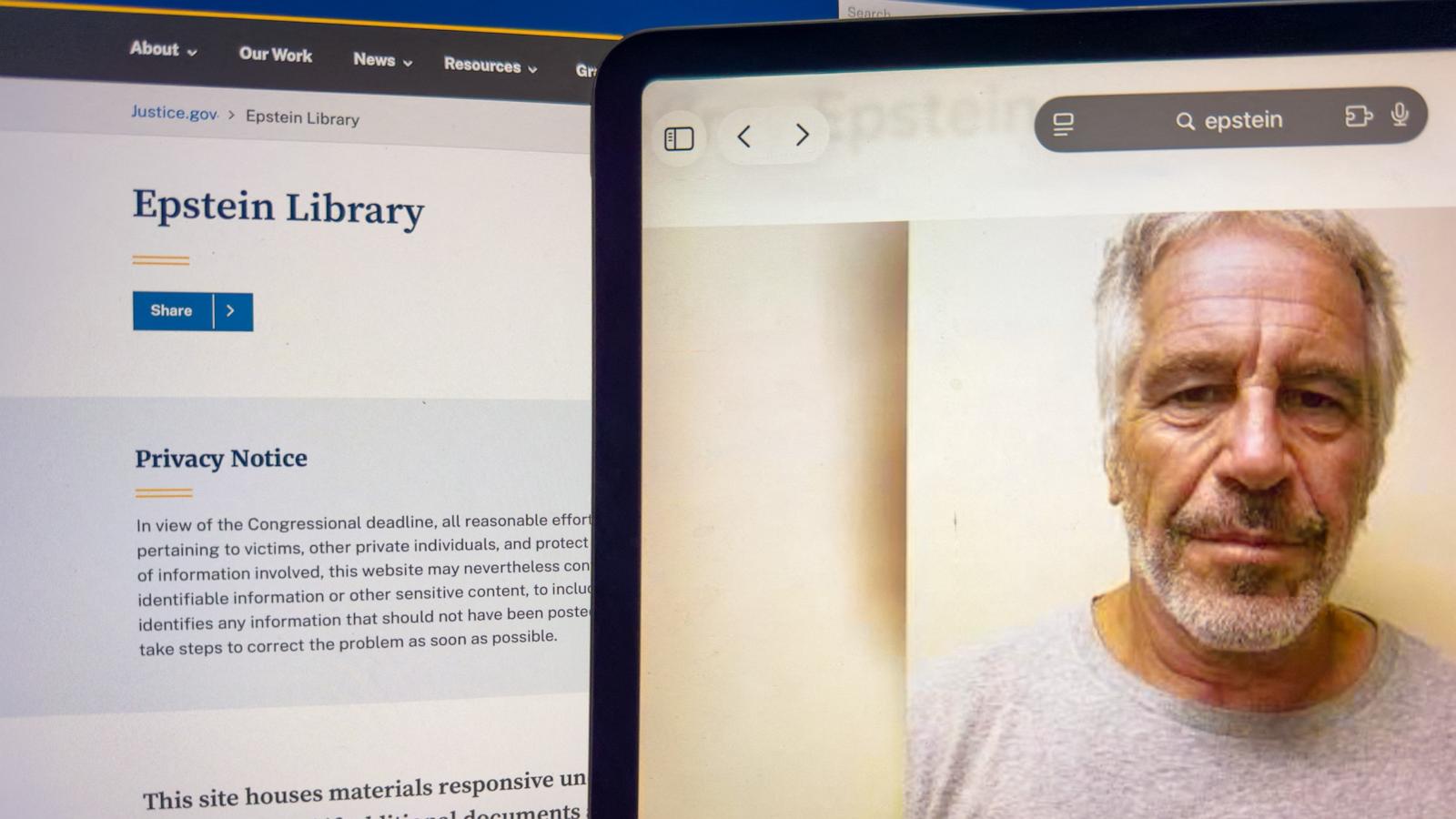
DOJ declines to turn over additional Epstein files, says redactions were appropriate
Summary
The U.S. Department of Justice (DOJ) refused to provide additional files related to Jeffrey Epstein, saying that some information was properly hidden to protect victims' privacy. A judge had ordered the DOJ to release more documents or explain why they were kept secret, but the DOJ asked for extra time or to ignore the order because of legal and privacy concerns.Key Facts
- A judge told the DOJ to release more Epstein-related files or explain why they were withheld.
- The DOJ said some files contain sensitive information about victims, so they were redacted (parts were blacked out).
- Associate U.S. Attorney General Stanley Woodward asked for a 60-day delay or to reject the judge’s order.
- Some emails had names hidden to protect victims’ identities.
- One set of notes about allegations against President Donald Trump was withheld because the claims were unproven and the notes were seen as duplicates of other reports.
- The DOJ said they could not find an unredacted copy of a 2007 indictment draft.
- Handwritten interview notes were especially hard to review and redact without risking exposure of personal information.
- The DOJ denied breaking the law that requires releasing the Epstein files, despite the judge’s ruling.
Read the Full Article
This is a fact-based summary from The Actual News. Click below to read the complete story directly from the original source.