A Planet Survived the Death of Its Sun. What Does That Mean for Earth?
Summary
Scientists discovered a giant planet named WD 1856b that survived the death of its sun, now a white dwarf star. This discovery helps scientists understand what might happen to Earth and other planets when our sun dies billions of years from now.Key Facts
- WD 1856b is a gas giant planet about the size of Jupiter, orbiting a white dwarf star 80 light-years from Earth.
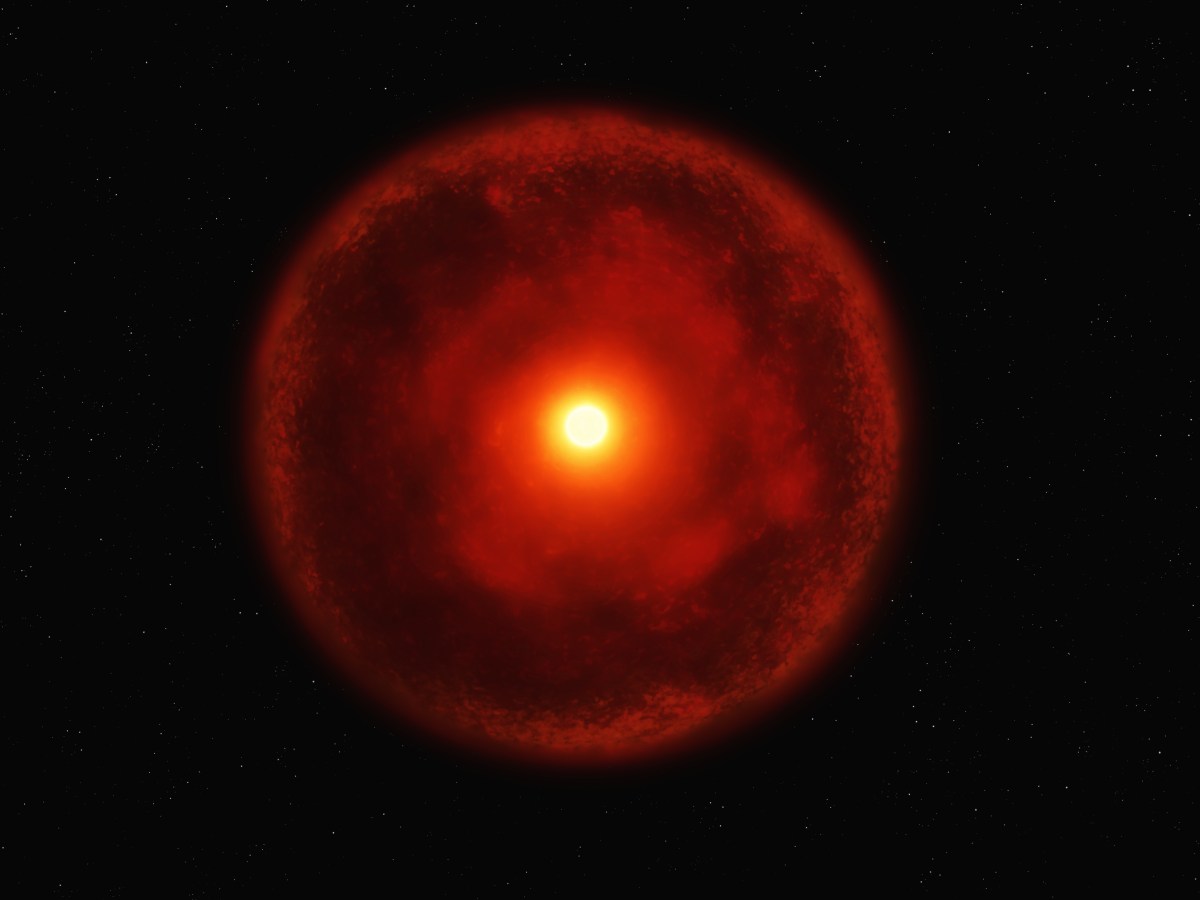
- The white dwarf is the dense remnant of a sunlike star that has collapsed after its red giant phase.
- The planet orbits extremely close to the white dwarf, completing one orbit every 1.4 days.
- Scientists used NASA’s James Webb Space Telescope to study the planet’s atmosphere, finding methane and high-altitude aerosols.
- The planet likely moved closer to the white dwarf billions of years after the star died, possibly influenced by nearby smaller stars.
- This is the first time astronomers have studied a planet’s atmosphere around a dead star in this way.
- The survival of this planet suggests that some planets may continue to exist after their stars die, which may affect ideas about habitability in the universe.
- The study offers new insights into the future of our solar system when the sun reaches its red giant and then white dwarf phases.
Read the Full Article
This is a fact-based summary from The Actual News. Click below to read the complete story directly from the original source.